Grand jury proceedings in West Saint Paul play a critical role in Minnesota’s legal system, particularly in personal injury and criminal offense cases. These proceedings help determine whether enough evidence exists to bring formal charges against an individual. Although Metro Law Offices Ltd. is located in Minneapolis, we proudly serve clients in West Saint Paul, providing dedicated and personalized legal support during these important stages.
West Saint Paul is a vibrant community with a rich history of resilience and growth, reflected in its active civic engagement and commitment to justice. Our firm understands the unique legal context of the area and is committed to offering experienced guidance through grand jury proceedings. Contact us at 763-314-3800 for a consultation to benefit from our tailored service and extensive experience handling complex cases.
Grand jury proceedings serve as a vital check in the criminal justice process by reviewing evidence to protect individuals from unfounded charges. This process ensures that a formal indictment is warranted based on credible information. By navigating these proceedings with skilled legal representation, clients can safeguard their rights and work toward favorable outcomes with clarity and confidence.
While based in Minneapolis, our team at Metro Law Offices Ltd. brings extensive knowledge and years of litigation experience serving clients throughout the Minneapolis metropolitan area, including West Saint Paul. Our attorneys are known for their personalized approach, commitment to client satisfaction, and thorough understanding of Minnesota law, enabling us to provide strong advocacy during grand jury proceedings and other legal challenges.
Grand jury proceedings involve a group of citizens convened to examine evidence presented by a prosecutor to decide if there is probable cause to charge someone with a crime. This process is confidential and focuses on protecting individuals from unwarranted prosecution while supporting the community’s legal integrity.
Participating in or being the subject of a grand jury proceeding can be intimidating. That’s why having knowledgeable legal guidance is essential to help you understand the process, preserve your rights, and navigate the complexities involved with confidence and peace of mind.
A grand jury proceeding is a pre-trial procedure where potential charges are evaluated based on evidence reviewed by a panel of citizens. Unlike a trial jury that determines guilt or innocence, a grand jury only assesses whether sufficient grounds exist to pursue criminal charges, serving as a critical legal safeguard.
In these proceedings, the prosecutor presents evidence and witness testimonies to the grand jury. The process is closed to the public to ensure confidentiality. The grand jury then deliberates in private to decide if an indictment should be issued, thus initiating formal criminal charges or dismissing the case at this stage.
Understanding essential terminology helps clients navigate grand jury proceedings with greater confidence and clarity.
A formal accusation issued by a grand jury indicating there is sufficient evidence to charge a person with a crime.
A reasonable basis for believing that a crime may have been committed, which the grand jury assesses before issuing an indictment.
A group of citizens convened by the court to evaluate evidence presented by the prosecutor to determine if charges should proceed.
The confidential nature of grand jury proceedings designed to protect the integrity of the process and the privacy of all involved parties.
Different legal approaches can be taken when facing grand jury proceedings. Some clients may opt for limited legal advice while others benefit from comprehensive representation throughout the process. Understanding the differences helps clients make informed choices that best suit their needs.
Limited legal guidance may suffice when the individual’s involvement is peripheral or when the evidence clearly favors them, reducing the risk of charges.
When a client only requires consultation on the evidence presented or clarification about the grand jury process without active participation.
In cases where charges are serious or evidence is complicated, comprehensive legal representation can help build a strong defense and protect clients’ rights thoroughly.
When clients must actively engage with the grand jury, having skilled counsel ensures appropriate responses and navigation through legal formalities.
Comprehensive representation offers clients consistent support through every stage of grand jury proceedings, enabling thorough preparation and strong advocacy.
This approach also fosters clearer communication and strategic planning to mitigate risks and explore all available legal options effectively.
Clients gain a deeper insight into the charges and evidence against them, empowering them to make informed decisions with confidence.
Full legal support means the development of detailed defense strategies tailored to each client’s unique situation, increasing the likelihood of favorable outcomes.
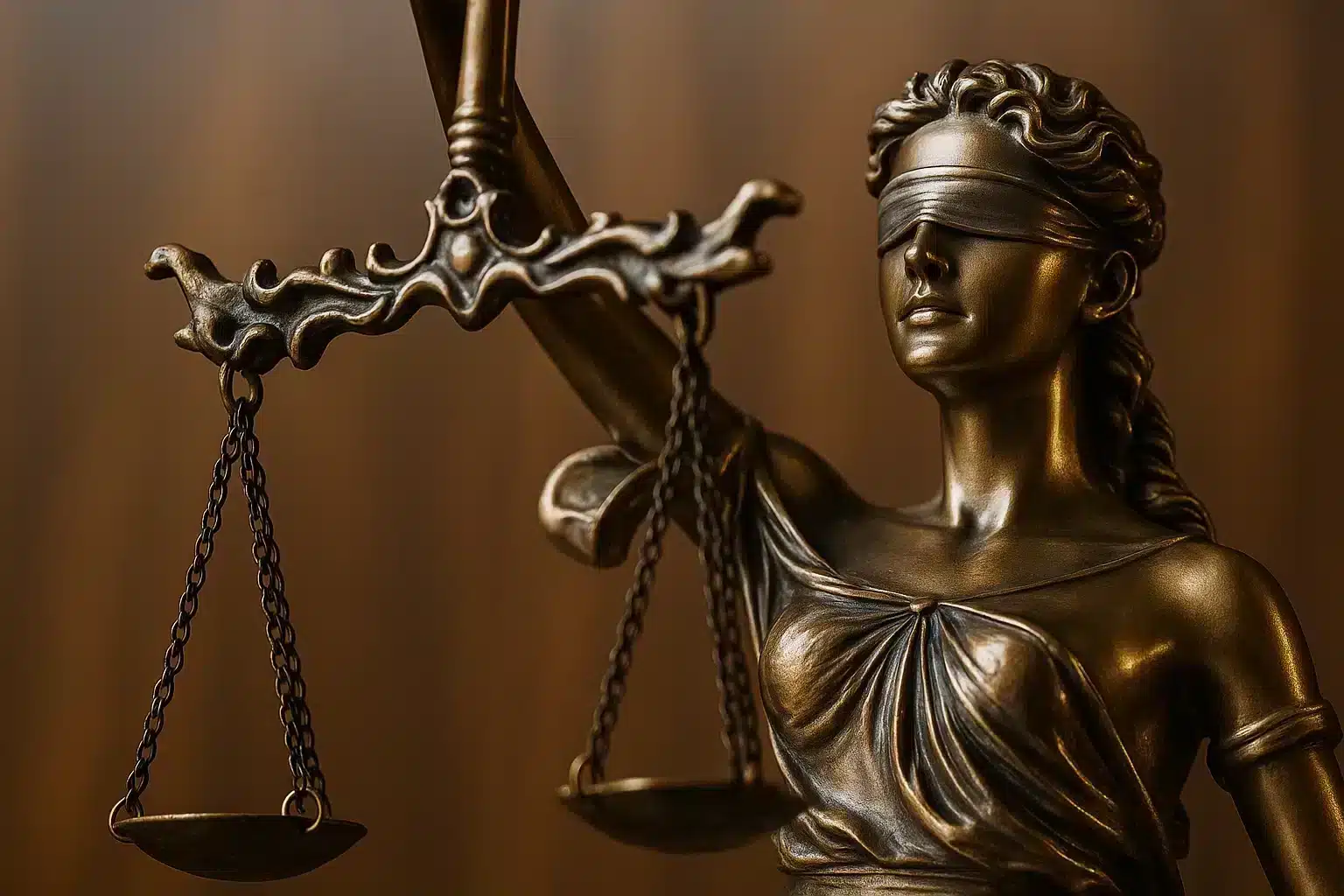
Navigating grand jury proceedings without legal guidance can result in unintended consequences or missed opportunities to protect your interests. Securing representation ensures your rights are defended from the outset.
Experienced attorneys provide clarity during confusing legal processes and develop strategic defenses tailored to your specific situation, helping you confidently face each step ahead.
Clients facing serious allegations, complex evidence reviews, or situations where the grand jury’s decisions may significantly impact their futures frequently seek legal counsel to manage these challenges effectively.
When facing felony allegations or potentially lengthy penalties, having robust legal defense through grand jury proceedings is crucial to protect your rights.
Cases involving complicated or technical evidence require skilled interpretation and strategy to ensure fair evaluation during grand jury consideration.
When witness statements are critical to the case, legal representation helps manage testimony collection and protect client interests effectively.
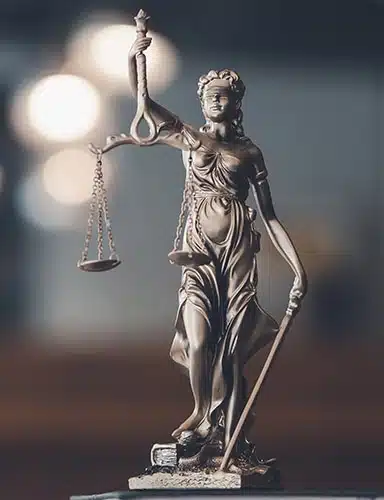
We understand the stress grand jury proceedings bring and are committed to guiding you through each phase with personalized, compassionate representation. Reach out for a consultation to start protecting your legal rights today.
Our firm brings a client-centered approach that prioritizes your needs and concerns throughout the grand jury process. We tailor legal strategies specific to your case to ensure your voice is heard.
With extensive knowledge of Minnesota law and proven litigation skills, our legal team offers strong advocacy designed to achieve the best possible outcomes for our clients.
Clients appreciate our commitment to clear communication, compassionate service, and timely responses. We are accessible and dedicated to providing personalized support from consultation to resolution.
We start with a thorough review of your case facts, evidence, and relevant circumstances to develop a customized legal plan. Our focused preparation enables us to aggressively protect your rights throughout the grand jury process.
Understanding every detail of your situation is essential to crafting an effective defense strategy and preparing you for upcoming proceedings.
We discuss your case background, concerns, and objectives to align our legal approach with your goals.
Our team collects and analyzes all pertinent information, including witness statements and documents, to identify strengths and potential challenges.
We prepare you for the grand jury proceedings by explaining the process, potential scenarios, and the best practices for your responses.
Counseling on how to approach the grand jury interviews and presenting your case effectively.
We help you prepare answers and review documentation to ensure clarity and consistency during testimony.
Our attorneys stand by you during grand jury appearances and follow up with legal advocacy based on outcomes.
We ensure your rights are protected throughout the process and that you understand each development as it occurs.
Depending on the grand jury’s decision, we assist with next steps, including negotiations, motions, or trial preparation.
A grand jury proceeding is designed to assess whether sufficient evidence exists to formally charge a person with a crime. It acts as an investigative tool, providing a confidential setting where prosecutors present evidence to a panel of citizens. This protects individuals from unwarranted charges and ensures that only cases with credible evidence proceed to trial. If the grand jury finds probable cause, they issue an indictment to begin formal prosecution.
While you do have the right to consult with an attorney outside the grand jury room, you typically do not have a lawyer present during the actual grand jury testimony. This makes prior preparation and legal advice essential to ensure you understand your rights and how to respond properly during the proceedings. An attorney can guide you through each step and help protect against self-incrimination or misunderstandings.
Unlike a trial jury that determines a defendant’s guilt or innocence during a trial, a grand jury’s role is limited to deciding whether enough evidence exists to charge someone with a crime. The grand jury does not determine guilt but serves as a preliminary filter to prevent unjustified prosecutions. Their proceedings are secretive, whereas trial jury trials are public and adversarial.
A grand jury proceeding itself does not lead to immediate arrest, but an indictment resulting from the process formally charges an individual and authorizes law enforcement to take further action. Arrests may occur before, during, or after these proceedings depending on circumstances and the nature of the offense. Legal guidance can clarify what to expect and how to respond in each situation.
If you are called to testify before a grand jury, it is important to remain calm, listen carefully, and answer questions truthfully while avoiding volunteering unnecessary information. Before testifying, consulting with an attorney can prepare you for the types of questions you may face and how to protect yourself legally. Proper preparation helps mitigate risks and ensures you are represented fairly throughout.
The length of grand jury proceedings varies widely depending on the complexity of cases and the volume of evidence involved. Some proceedings may last a few days, while others extend over weeks or months. Your attorney can provide insight into the expected timeline for your specific situation and keep you informed during every stage.
Grand jury testimony is generally not voluntary if you receive a subpoena to appear. Failure to attend or cooperate can lead to legal consequences, including contempt of court charges. However, you have the right to legal counsel and to avoid self-incrimination. Understanding your rights ahead of time with legal advice is crucial.
Prosecutors may introduce evidence in grand jury proceedings that might not be admissible at trial, as the grand jury’s purpose is to review whether probable cause exists, not to determine guilt beyond a reasonable doubt. This broad scope requires careful examination and preparation, which skilled legal counsel can provide to safeguard your interests.
If a grand jury decides not to indict, the case typically does not proceed to trial. This outcome means insufficient evidence was found to charge you formally, often leading to case dismissal. However, prosecutors may sometimes present evidence to a new grand jury or pursue alternative legal actions, so continued legal support is important.
Legal representation during grand jury proceedings can have a significant impact on the outcome by ensuring your rights are protected, preparing you thoroughly, and assisting in building a strong defense. Attorneys provide strategic advice and advocacy that can influence whether charges are filed or dismissed, and help reduce potential penalties if prosecution proceeds.
Expert criminal defense and personal injury representation
"*" indicates required fields