In Princeton, Minnesota, juvenile defense is crucial for protecting the rights of young individuals facing legal challenges. Although our firm is based in Minneapolis, we proudly serve clients in Princeton and surrounding areas, offering dedicated and knowledgeable representation tailored to the unique needs of juveniles. Understanding the community’s values and legal environment allows us to provide personalized service focused on achieving the best outcomes for our clients.
If your child or a loved one is involved in a juvenile legal matter in Princeton, our team is committed to guiding you through the process with care and expertise. Contact us today at 763-314-3800 for a consultation to discuss your case. We prioritize client satisfaction and bring extensive experience to each case we handle, ensuring your family receives the attention and support it deserves.
Securing skilled juvenile defense ensures that young clients receive fair treatment under the law while minimizing the long-term impact on their lives. Our approach focuses on personalized care, navigating complex legal systems, and advocating for rehabilitation over punishment. We help protect your child’s future by addressing legal challenges with strategies that emphasize understanding the circumstances rather than just the charges.
Clients from Princeton trust our firm because of our commitment to personalized service and a clear understanding of juvenile law complexities. While we operate out of Minneapolis, our attorneys are dedicated to serving nearby communities with deep respect for local values and legal nuances. We emphasize clear communication, thorough case preparation, and compassionate representation tailored to each juvenile’s needs to protect their rights and futures.
Juvenile defense attorneys play a vital role when minors are involved in allegations of criminal behavior or legal disputes. Early legal intervention can help address issues proactively, preventing serious consequences and safeguarding a young person’s record. If a juvenile is accused of crimes ranging from minor offenses to more significant charges, timely representation is essential for protecting their rights and guiding them through the juvenile justice system.
Families in Princeton should seek legal counsel promptly if their child is detained, questioned by law enforcement, or facing court proceedings. Our team offers thorough case evaluations and strategic defense planning designed to minimize the impact of juvenile charges, emphasizing rehabilitation and future opportunities. Contact us to learn how we can assist with juvenile defense matters.
Juvenile defense is the specialized legal representation of minors accused of committing offenses or involved in court proceedings related to criminal behavior. The objective is to protect their legal rights, prevent unwarranted penalties, and promote outcomes that consider the young person’s best interests. Juvenile defense lawyers navigate the unique juvenile justice system, which prioritizes rehabilitation over punishment and emphasizes confidentiality.
The juvenile defense process involves several critical steps including initial investigation, case assessment, negotiation with prosecution, and court representation. Defense attorneys work to gather evidence, communicate with juvenile courts, and advocate for reduced charges or alternative sentencing options. Understanding these elements ensures families are informed and prepared throughout the legal journey.
Here are essential terms related to juvenile defense to help you better understand your case and the legal process.
A specialized court system that handles cases involving minors accused of legal offenses, focusing on rehabilitation rather than punishment.
The legal term used when a minor commits an act that would be considered a crime if committed by an adult.
The formal document filed by prosecutors that initiates juvenile court proceedings against a minor.
The process by which the juvenile court determines whether the minor is responsible for the alleged offense.
When facing juvenile legal issues, families can pursue different legal strategies ranging from informal adjustment to formal court proceedings. Each option has its implications and benefits, with formal defense providing the most comprehensive protection through skilled advocacy. Understanding these options helps families choose the best approach for their child’s situation.
For first-time, minor offenses, informal adjustments or diversion programs may adequately resolve the case without formal charges or court intervention.
When the juvenile and their family actively participate in counseling and rehabilitation efforts, limited legal approaches sometimes suffice to address behavior concerns effectively.
Cases involving serious allegations or multiple previous offenses require vigorous legal defense to protect the juvenile’s future.
Complicated cases involving multiple agencies, conflicting evidence, or custody issues demand comprehensive advocacy to navigate successfully.
A thorough legal defense ensures all aspects of a juvenile’s situation are considered, maximizing opportunities for favorable outcomes such as reduced sentences or alternative programs.
Comprehensive representation protects the juvenile’s rights, promotes rehabilitation, and seeks to minimize long-term impacts on education and employment opportunities.
Tailored defense plans address the unique facts and circumstances of each juvenile case, improving the likelihood of success in court.
In addition to legal advocacy, comprehensive defense often incorporates referrals to counseling and support programs critical for rehabilitation.
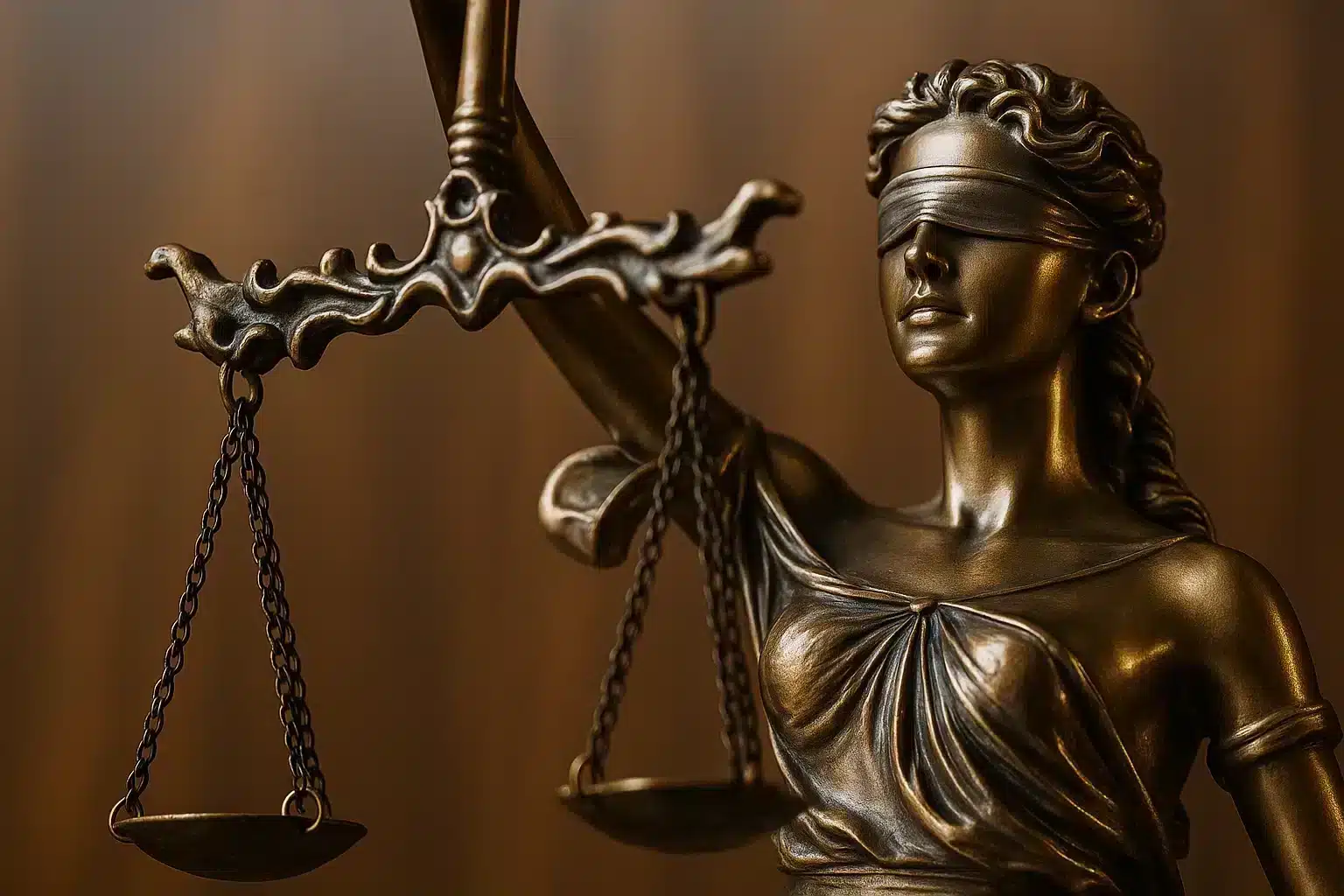
Engaging a juvenile defense attorney early helps protect the minor’s rights and ensures proper legal procedures are followed. Early representation can prevent misunderstandings and secure better case outcomes.
Juvenile cases require specialized knowledge due to their focus on rehabilitation and confidentiality. Skilled legal defense anticipates challenges and navigates the system effectively, minimizing negative impacts on the young person’s future.
Legal defense is necessary in situations such as accusations of theft, drug offenses, violence, truancy, or probation violations. Each scenario demands tailored legal strategies to safeguard the juvenile’s best interests.
Initial court appearances and charges can be overwhelming. A defense attorney helps explain rights, the process, and possible consequences to both the juvenile and family, guiding decisions wisely.
When a juvenile faces multiple charges or serious allegations, comprehensive legal defense is critical to minimizing sentencing and exploring alternative programs.
Violations of probation terms or complex legal matters require experienced juvenile defense to protect rights and avoid escalated penalties.

Our firm is committed to providing compassionate and effective juvenile defense services for families in Princeton, Minnesota. We understand the stress involved and offer supportive guidance throughout the legal process to protect your child’s future.
Our firm is dedicated to delivering personalized juvenile defense with a focus on client satisfaction and positive outcomes. We bring extensive experience navigating both the legal system and the unique needs of young clients.
We understand the importance of confidentiality and rehabilitation in juvenile cases and tailor our approach accordingly to ensure the best future for your child.
Contact us at 763-314-3800 for a consultation to discuss your child’s case and how we can assist with skilled and compassionate representation.
We begin with an in-depth case review and consultation to understand your situation. Our attorneys then develop a tailored defense strategy, communicate effectively with all parties involved, and provide consistent support through each phase of the juvenile justice process.
We review all information surrounding the juvenile offense to identify legal issues and possible defenses while advising families on their options and next steps.
Our team collects all pertinent information including police reports, witness statements, and relevant documents to build a comprehensive understanding of the case.
We meet with the juvenile and family to discuss goals, concerns, and desired outcomes to align the legal strategy accordingly.
We formulate a defense plan that may include negotiations, diversion programs, or preparation for court hearings, always prioritizing the juvenile’s best interest.
Our attorneys engage in discussions aimed at reducing charges or securing alternatives to formal adjudication whenever possible.
If necessary, we prepare the juvenile and family for court, presenting strong evidence and legal arguments in defense of the client.
We remain actively involved throughout the process, providing guidance on rehabilitation options and advocating for the juvenile’s rights at every stage.
We represent the juvenile in hearings, striving for outcomes that align with rehabilitation and minimal disruption to the client’s life.
Our commitment extends beyond the courtroom with referrals and advice to support positive behavioral changes and community reintegration.
Juvenile defense involves legal representation for minors accused of offenses to protect their rights and advocate for fair treatment. It focuses on preventing harsh penalties and promoting rehabilitation. Early involvement of a defense attorney is crucial in navigating the juvenile system effectively. Legal professionals skilled in juvenile law guide families through processes, ensuring understanding and support throughout the case.
It is important to contact a juvenile defense lawyer as soon as a child is accused of an offense or questioned by law enforcement. Early consultation helps preserve evidence, develop defense strategies, and provide timely advice. Prompt legal support also alleviates family stress and increases the likelihood of positive outcomes.
Juvenile courts prioritize rehabilitation, confidentiality, and the minor’s best interests, differing significantly from adult courts that focus more on punishment. Proceedings are less formal, records are generally sealed, and penalties aim to reintegrate rather than incarcerate. Understanding these distinctions helps families prepare for the juvenile justice process and potential results.
Outcomes can range from dismissal or diversion programs to adjudication and placement in rehabilitation facilities. Juveniles may receive counseling, probation, or educational interventions instead of incarceration. Each case depends on the offense’s severity, history, and court discretion, with an emphasis on supporting youth development.
Yes, juvenile records can often be sealed or expunged to prevent them from affecting future opportunities. Eligibility depends on the offense type and time elapsed since case closure. Legal assistance is vital to navigate the sealing and expungement processes effectively, preserving the juvenile’s privacy and future prospects.
Supporting open communication, following legal advice, and encouraging participation in rehabilitation programs all help during juvenile cases. Families should remain involved, attend court dates, and work with attorneys to ensure comprehensive defense. Positive family support greatly influences case resolution and the juvenile’s personal growth.
Diversion programs offer alternatives to formal charges, focusing on education, community service, or counseling. They aim to correct behavior without court adjudication, allowing juveniles to avoid criminal records if successfully completed. These programs vary by jurisdiction and require legal guidance to access and complete appropriately.
Incarceration is typically a last resort for juveniles, reserved for the most serious offenses. Courts prefer rehabilitation options that keep juveniles in community settings. Legal representation ensures alternatives are explored and that detention is avoided when possible, safeguarding the juvenile’s development and future.
Fees vary depending on case complexity, services required, and jurisdiction. Many firms offer consultations to provide cost estimates and discuss payment options. Investing in qualified juvenile defense is critical to achieve the best outcomes and protect the juvenile’s rights throughout the process.
Juveniles have rights to legal counsel, protection against self-incrimination, and fair hearings, among others. Courts are also required to consider their age and personal circumstances. Understanding these rights empowers juveniles and families to participate actively and protect their interests during proceedings.
Expert criminal defense and personal injury representation
"*" indicates required fields