In Farmington, Minnesota, juveniles facing legal challenges deserve compassionate and thorough representation. Our team understands the unique aspects of juvenile law and is dedicated to protecting the rights of young clients. With a focus on personalized service and satisfaction, we offer guidance through the complex legal system tailored to each individual’s circumstances.
Farmington’s community values safety and opportunity for youth, which makes juvenile defense critical. While we are not physically located in Farmington, our commitment extends to serving clients from this city, ensuring they receive experienced legal support. Contact us at 763-314-3800 for a consultation to discuss how our extensive knowledge can help protect your child’s future.
Engaging a skilled juvenile defense attorney is essential in navigating the juvenile justice system effectively. You gain access to tailored defense strategies that focus on minimizing long-term consequences. Our approach emphasizes personal attention and strategic advocacy to protect your child’s rights and opportunities.
Clients from Farmington trust our firm for our comprehensive understanding of local laws and dedication to each case. We offer personalized consultations emphasizing client satisfaction and thorough preparation. Our extensive experience in juvenile defense enables us to handle diverse cases with professionalism and a commitment to positive outcomes.
Juvenile defense is crucial when a minor faces allegations of criminal conduct. Early legal intervention can influence case outcomes, from diversion programs to court proceedings. Understanding when to seek legal counsel is vital to preserving the youth’s rights and future prospects.
Often, families may be unsure when legal assistance is necessary. If your child is involved in a police investigation, arrested, or charged, engaging a juvenile defense attorney promptly can ensure that their rights are protected and that they receive fair treatment throughout the process.
Juvenile defense involves representing minors accused of legal infractions, focusing on their unique needs and the justice system designed specifically for youths. It aims to mitigate penalties while striving to support the minor’s rehabilitation and reintegration into society.
The juvenile defense process includes investigating accusations, negotiating with prosecutors, and representing the youth in court. Each step is handled with sensitivity to the client’s age and circumstances, often involving collaboration with social services and families to ensure comprehensive support.
Familiarizing yourself with common terms can help you better understand the juvenile defense process and your legal options.
A proceeding to determine whether a juvenile should be held in custody pending further court action or released.
The court’s final decision or sentence given after a juvenile is found delinquent.
An act committed by a juvenile that would be considered a crime if committed by an adult.
An alternative to formal court proceedings aimed at rehabilitation without a formal conviction.
Families may choose between limited legal assistance or comprehensive defense representation. Understanding the scope and benefits of each can guide you toward the best decision for your child’s case.
For minor infractions, limited legal support may help with informing rights and negotiating reduced consequences without full court representation.
When a juvenile is involved in a first-time, less serious offense, partial legal guidance can be adequate to explore diversion or dismissal options.
Comprehensive defense is essential for complex cases involving serious charges, ensuring detailed investigation and vigorous representation.
A thorough defense aims to minimize long-term impacts, safeguarding education, employment, and social prospects.
Choosing full legal representation ensures attention to every detail and proactive strategy development tailored to the juvenile’s unique situation.
This approach often results in better case outcomes, reduced penalties, and provides families with confidence through professional guidance and support.
Comprehensive services allow lawyers to customize defense strategies based on case specifics, evidence, and client goals.
Experienced attorneys provide effective advocacy in negotiations and court, increasing the likelihood of favorable resolutions.
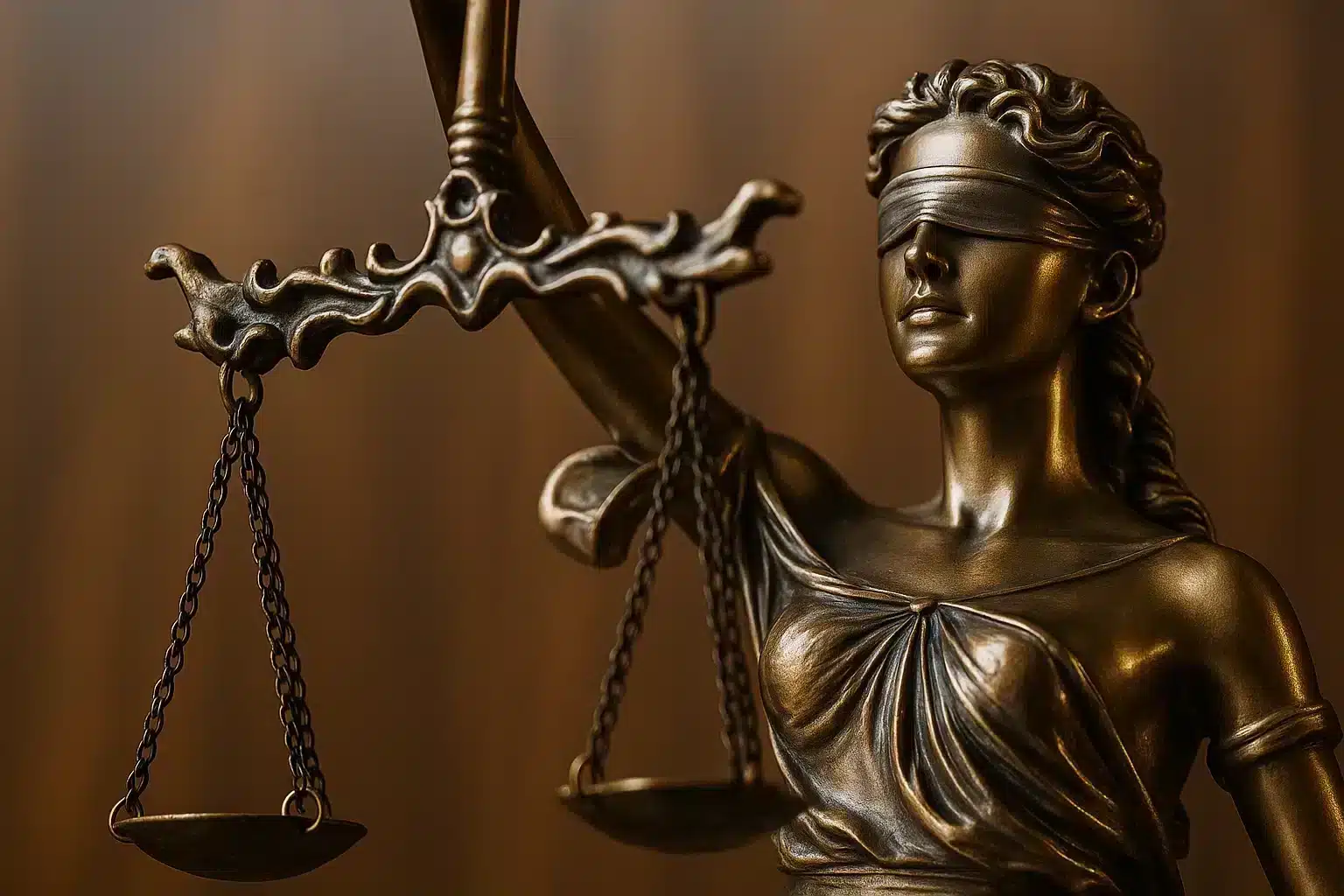
If a juvenile is involved with law enforcement, prompt legal assistance can protect their rights and improve case outcomes. Contact a defense attorney early to navigate the juvenile justice system effectively.
Educate yourself about the juvenile legal system and maintain open communication with your attorney. Being engaged helps ensure that the case is managed efficiently and your concerns are addressed.
Juveniles accused of offenses require legal help to safeguard their rights and futures. Early intervention prevents harsher consequences and promotes rehabilitation.
Dedicated juvenile defense ensures that cases are handled with care and professionalism, providing families with peace of mind and clear guidance.
Situations involving arrests, charges of delinquency, or investigations often warrant legal defense to protect juveniles from adverse outcomes.
Immediate legal representation is critical when a juvenile is arrested to ensure rights are protected during questioning and detention.
Facing formal charges requires skilled defense to negotiate favorable terms and explore alternatives to prosecution.
Navigating hearings with an attorney enhances the opportunity for leniency and arrangements that support rehabilitation.

We provide dedicated juvenile defense services to clients in Farmington, delivering personalized attention and experienced legal advocacy. Your child’s future is our priority.
Our commitment to client satisfaction means we listen closely and adapt our strategies to your family’s needs.
We combine extensive experience with personalized service to provide effective juvenile defense representation.
By choosing our firm, you gain a team dedicated to protecting your child’s rights with professionalism and care.
We guide clients through every step of the juvenile defense process, offering clear explanations and aggressive representation to achieve the best possible outcomes.
We thoroughly review the facts to understand the case and identify potential defense strategies tailored to your child’s needs.
We gather information and answer your questions, ensuring you understand the juvenile justice system and possible next steps.
Examine all available evidence to plan effective defense tactics and identify weaknesses in the prosecution’s case.
Craft a detailed defense plan that may include negotiation, seeking alternative resolutions, or preparing for trial if necessary.
Work to obtain reduced charges or dismissal through careful negotiation focused on your child’s best interests.
Prepare witnesses, file motions, and build a comprehensive case to present in court when negotiations are insufficient.
Represent the juvenile in hearings and trials, striving for outcomes that minimize penalties and support rehabilitation.
Attend all required court proceedings with the juvenile to safeguard rights and advocate effectively.
Advocate for alternative sentencing options promoting rehabilitation over punishment whenever possible.
A juvenile defense attorney represents minors accused of criminal acts, ensuring their legal rights are protected throughout the justice process. They develop defense strategies, negotiate with prosecutors, and advocate during court hearings to minimize consequences and support rehabilitation. Timely legal assistance can affect the overall outcome of the case positively. Consulting a qualified attorney as soon as possible is critical to safeguard the child’s future.
Juvenile court focuses on rehabilitation rather than punishment and typically has different procedures than adult criminal court. Proceedings are often more focused on the individual needs of the youth and may include involvement of family and social services. Confidentiality is usually greater in juvenile court to protect the minor’s privacy and future prospects. Understanding these differences helps families better navigate the legal process and make informed decisions.
You should contact a juvenile defense attorney as soon as your child is involved with law enforcement or has been charged with any offense. Early legal counsel ensures that your child’s rights are protected from the outset, including during questioning and detention. Prompt action allows the attorney to build a strong defense, explore options like diversion programs, and guide you through court appearances. Waiting to seek help can limit the available defenses and negatively impact the case outcome.
In many cases, juvenile records can be expunged or sealed, meaning they are removed from public access. This process helps protect a young person’s future opportunities by limiting exposure to past legal issues. However, eligibility depends on factors like the nature of the offense and completion of court-ordered conditions. An attorney can advise you whether expungement is possible and assist with the necessary legal procedures to clear your child’s record.
Diversion programs provide alternatives to formal court proceedings, focusing on rehabilitation and education rather than punishment. These programs may include counseling, community service, or skill-building activities designed to address underlying issues and prevent future offenses. Participation in diversion can lead to dismissal of charges and help juveniles avoid the stigma of a criminal record. An attorney can help determine if diversion is a suitable option and advocate for your child’s inclusion in such programs.
Preparing for a juvenile court hearing involves understanding the charges, gathering supporting information, and cooperating with your attorney. Families should communicate openly with their lawyer and attend all required court dates. Your attorney may also advise on appropriate behavior and possible testimonials. Being informed reduces anxiety and improves the ability to participate actively in the legal process, contributing to a favorable result.
If a juvenile is adjudicated delinquent, the court may impose a range of consequences, including probation, mandatory counseling, community service, or placement in a juvenile facility. The focus remains on rehabilitation to support positive development and reduce recidivism. Sentencing advocacy by an attorney can influence the severity of penalties and promote alternatives that benefit the minor’s future. Early legal representation is key to achieving these outcomes.
Consultations with juvenile defense attorneys are confidential, meaning information shared during these meetings is protected by attorney-client privilege. This confidentiality ensures open communication without fear of disclosure, allowing families to share all pertinent details freely. Knowing that your discussions are private helps build trust and facilitates effective legal representation.
Juvenile arrests can impact future education, employment, and housing opportunities if not properly addressed. Legal defenses and post-case measures like expungement help mitigate these effects. Early intervention and comprehensive defense strategies are crucial to protect a juvenile’s long-term prospects and promote successful reintegration into the community.
After a juvenile defense case closes, families should follow recommended counseling or rehabilitation programs and stay engaged with legal advisors regarding record sealing or expungement. Maintaining compliance with court requirements and demonstrating positive changes can improve long-term outcomes. Continued legal support ensures that potential future challenges are addressed proactively.
Expert criminal defense and personal injury representation
"*" indicates required fields