Grand jury proceedings play a crucial role in the criminal justice system in Farmington, Minnesota. These proceedings determine whether there is enough evidence to formally charge someone with a crime. Residents of Farmington can expect a thorough process where their rights are protected, and justice is pursued diligently. With the city’s unique history and community values, handling such cases requires dedicated legal support to navigate the complexities effectively.
Though our firm is based in Minneapolis, we are committed to serving clients from Farmington with personalized attention and extensive experience in personal injury, crime offenses, and work injury matters. We encourage clients facing grand jury proceedings to contact us for a consultation. We prioritize your satisfaction by providing tailored strategies designed to protect your rights at every stage.
Grand jury proceedings ensure that charges brought against individuals are backed by substantial evidence, protecting innocent people from unwarranted prosecution. Engaging with these proceedings early provides a strategic advantage, allowing you to participate in the process and present evidence that may influence outcomes. This legal safeguard is essential in maintaining fairness and accountability within the justice system.
Metro Law Offices Ltd. has a longstanding reputation within the Minneapolis area, including Farmington, for providing diligent representation in complex legal matters such as grand jury proceedings. Our attorneys bring diverse backgrounds in personal injury and criminal defense, ensuring well-rounded expertise. We approach every case with thorough research and personalized assessment to deliver effective strategies tailored to your unique situation.
Grand jury proceedings involve a group of citizens reviewing evidence presented by the prosecution to decide if charges should be filed. This process offers an important check on prosecutorial power by requiring sufficient evidence before going to trial. For accused individuals, understanding how these proceedings work helps in preparing a robust defense and protecting their rights.
Being well-informed about the stages and expectations of grand jury proceedings can alleviate uncertainty and stress. Our firm guides clients through each step, explaining legal terms clearly and advising on communication strategies to effectively present their case and concerns.
A grand jury is a legal body that evaluates whether probable cause exists to indict a suspect and proceed with criminal charges. Unlike trial juries, grand juries do not determine guilt or innocence but rather whether sufficient evidence justifies formal prosecution. This process is confidential and can last from hours to days, depending on case complexity.
Key components include the presentation of evidence by the prosecutor, witness testimony, and jury deliberation. Defendants typically do not attend but may have legal counsel involved to monitor proceedings and advise on necessary actions. Understanding each phase helps clients stay informed and adequately prepared.
This section introduces important legal terms used during grand jury proceedings to clarify their meaning and relevance.
A formal charge issued by a grand jury stating there is enough evidence to proceed to trial against the accused.
A group of citizens convened to examine the evidence presented by a prosecutor and decide if criminal charges should be brought.
A reasonable basis for believing that a crime may have been committed, which justifies legal actions such as arrest or indictment.
Statements made by witnesses under oath during grand jury proceedings outlining facts related to the case.
Clients may choose between limited legal representation focused on specific aspects of grand jury proceedings or comprehensive services covering all related legal phases. Understanding the benefits and limitations of each approach ensures informed decision-making tailored to individual needs.
In cases with clear evidence and minimal complexity, targeted legal support may effectively address key issues without extensive involvement.
Clients seeking advice or assistance only for initial grand jury presentations may opt for limited services to manage costs while receiving essential guidance.
Multiple charges or intricate legal issues often demand complete representation to protect rights effectively throughout prosecution stages.
Ongoing cases benefit from consistent guidance, ensuring coordinated defense and negotiation approaches.
A thorough approach ensures all aspects of a case are addressed, minimizing risks and building a strong defense foundation.
This method provides greater control over case outcomes and opportunities for early resolution.
Comprehensive services enable continuous monitoring and adaptation to evolving case developments, ensuring optimal responses.
Clients benefit from consistent updates and personalized support throughout the legal process, reducing stress and uncertainty.
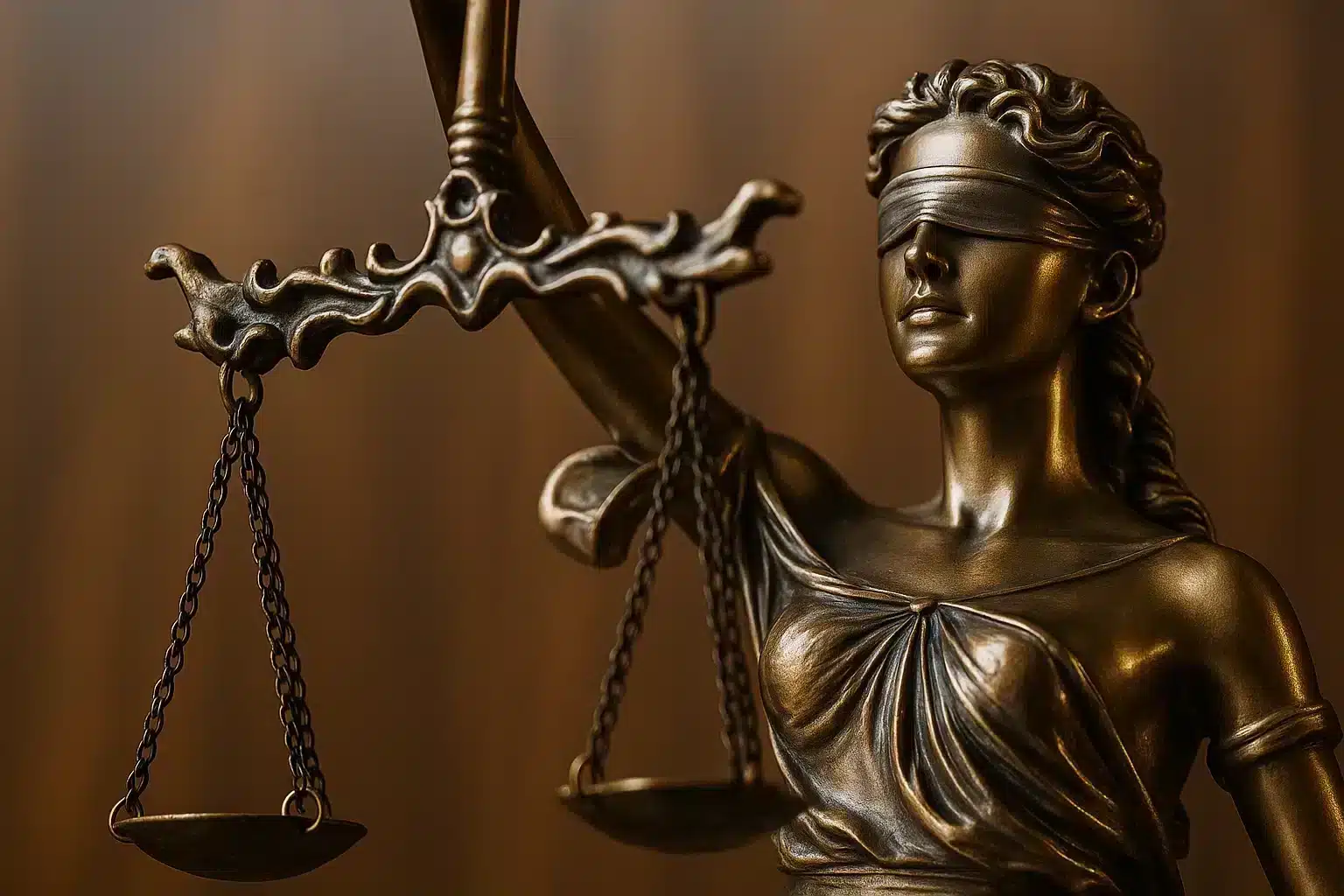
Understand the purpose and process of grand jury proceedings to make informed decisions. Preparation reduces surprises and strengthens your position.
Exercise your rights carefully, including the right to remain silent. Avoid discussing case details outside of legal consultation.
When facing potential charges, knowledgeable legal guidance ensures your rights are upheld and that you understand all available options.
Legal representation helps navigate complexities, increasing the likelihood of favorable outcomes and minimizing long-term impacts.
Clients often seek legal help when subpoenaed for grand jury testimony, suspect investigations involving serious offenses, or when facing complicated evidence reviewed by prosecutors.
Receiving a subpoena to appear before a grand jury can be intimidating, warranting legal advice before testifying.
Individuals under investigation for crimes such as theft or assault benefit from early representation to protect interests.
Cases involving multiple allegations or complex evidence require comprehensive legal strategies to manage effectively.

Though based in Minneapolis, we are dedicated to serving clients in Farmington with personalized legal counsel tailored to local community needs.
Our commitment to client satisfaction ensures that every case receives individual focus and strategic planning.
We bring extensive experience in criminal defense and personal injury law, adapting our approach to fit each client’s circumstances.
Clients appreciate our approachable style and clear communication, helping them feel supported throughout the legal process.
From initial consultation through all stages of grand jury involvement, we provide thorough analysis, advice, and advocacy to protect your rights and help achieve the best possible outcome.
We begin by reviewing all relevant facts and documents to understand your situation and advise on immediate steps.
Discuss your case details and concerns to develop a clear understanding.
Assess all available evidence for strengths and vulnerabilities.
Develop a strategy to address the grand jury’s examination, including client coaching and document preparation.
Plan approaches to protect client interests during testimony or evidence presentation.
Prepare the client for the process and expected questions.
Analyze outcomes and advise on next steps, including potential trial defense or settlements.
Evaluate grand jury decisions and implications.
Assist with further legal proceedings as necessary.
A grand jury determines if there is probable cause to charge an individual with a crime. It reviews evidence presented by the prosecution in a confidential setting. Unlike trial juries, grand juries do not decide guilt or innocence but focus on evaluating whether formal charges should proceed based on available evidence. Their role serves as an important check within the justice system to prevent unfounded prosecutions.
While you may not be required to have an attorney present during grand jury testimony, having legal representation is highly recommended. An attorney can provide guidance on your rights, help you understand the process, and advise you on how to respond to questions effectively. This support helps to protect your interests and reduce risks associated with self-incrimination or misunderstanding legal procedures.
Generally, you must comply with a subpoena to testify before a grand jury. However, you have the right to invoke the Fifth Amendment to avoid self-incrimination. Consulting with your attorney before the proceeding is vital to understand how to exercise this right properly and the potential consequences of testifying or refusing to testify.
The duration of grand jury proceedings varies based on case complexity and amount of evidence reviewed. Some investigations conclude in a few hours, while others extend over several days or weeks. Your attorney can help prepare you for the expected timeline and keep you informed throughout the process.
If the grand jury returns an indictment, formal charges are filed, and the case moves forward to trial. Your lawyer will then assist in preparing your defense, gathering evidence, and negotiating with prosecutors. Prompt legal support can impact the trials’ course and potential outcomes.
No, grand jury proceedings are conducted in secret to protect the privacy of individuals involved and the integrity of the investigation. This confidentiality helps encourage truthful testimony and prevents undue influence on potential witnesses or jurors.
Witnesses generally do not have the right to have their attorney in the grand jury room during testimony. However, they should consult an attorney beforehand and may have legal counsel available outside to advise on responding to questions and their rights throughout the process.
A grand jury determines whether sufficient evidence exists to charge someone with a crime, while a trial jury decides the guilt or innocence of a defendant during a trial. Grand jury proceedings are confidential and investigative, whereas trial juries operate in open court with both parties presenting evidence and arguments.
Preparation involves understanding your rights, reviewing possible questions, and working closely with your attorney. Avoid discussing the case with others and follow your lawyer’s advice carefully to protect your interests.
If you receive a subpoena, contact a qualified attorney immediately to discuss your situation. Legal counsel can guide you through the process, help you comply appropriately, and develop strategies to safeguard your rights while participating in the proceedings.
Expert criminal defense and personal injury representation
"*" indicates required fields