Defamation cases in Columbus, Minnesota involve the protection of an individual’s reputation against false statements that cause harm. Residents here understand the importance of addressing such disputes with care and professionalism, given the city’s tight-knit community values.
While not physically located in Columbus, Metro Law Offices Ltd. brings extensive legal experience to clients in the area, offering personalized and committed representation. Contact us today at 763-314-3800 for a consultation tailored to your unique defamation case.
Addressing defamation swiftly preserves personal and professional reputations, preventing long-lasting damage. Skilled legal assistance not only helps prove the case but also seeks fair compensation, reaffirming clients’ rights and dignity.
Metro Law Offices Ltd. offers dedicated support for defamation cases, leveraging years of experience in personal injury, crime offenses, and work injury law. Clients benefit from a personalized approach that prioritizes satisfaction and thorough legal guidance in Columbus cases.
Defamation involves false statements made to harm someone’s reputation, either spoken as slander or written as libel. Knowing the distinctions helps clients understand their legal standing and potential remedies.
Legal processes require clear evidence that false information was communicated and caused reputational damage. Expert legal advice ensures clients navigate these complexities effectively and protect their interests.
Defamation refers to any untrue statement presented as fact that harms an individual’s reputation. It encompasses both slander—spoken defamation—and libel, involving written or published falsehoods that negatively impact someone’s character.
To succeed in a defamation case, one must prove the statement was false, caused harm, was made without adequate research, and was communicated to others. Legal processes include gathering evidence, filing claims, and possibly negotiating settlements or pursuing court action.
Understanding important terms helps clarify the legal landscape surrounding defamation cases and facilitates better informed decisions.
Slander is defamation that is spoken, causing harm through oral false statements communicated to others.
Libel is defamation in writing or published form that damages an individual’s reputation through false information.
Defamation is making false statements about someone that unjustly harm their reputation, including both slander and libel.
Damages refer to the monetary compensation sought or awarded for harm caused to reputation in defamation cases.
Clients may explore various routes such as informal resolutions, limited legal interventions, or full litigation. Each approach carries distinct benefits and limitations depending on the case specifics.
For less severe defamation where impacts on reputation are minimal, a limited legal response such as negotiation or a cease-and-desist may suffice to resolve the matter efficiently.
If clients prefer to avoid lengthy proceedings and are seeking rapid closure, limited intervention can address concerns without the need for extensive litigation.
Cases involving widespread false claims or severe damages require detailed legal strategies, thorough evidence gathering, and aggressive advocacy to protect client rights effectively.
Comprehensive services help secure lasting remedies including retractions, apologies, and financial compensation, which are vital for sustained reputation restoration.
A full-service approach ensures all aspects of a defamation case are addressed thoroughly, minimizing the risk of lingering reputational harm and future disputes.
Clients receive expert guidance, strategic advice, and personalized representation that collectively enhance the likelihood of a successful outcome.
Detailed case assessments identify all legal angles and potential evidence, crafting a strategy well-tailored to client needs and circumstances.
Clients benefit from continuous communication, empathetic counsel, and proactive updates throughout the legal process, reducing stress and enhancing trust.
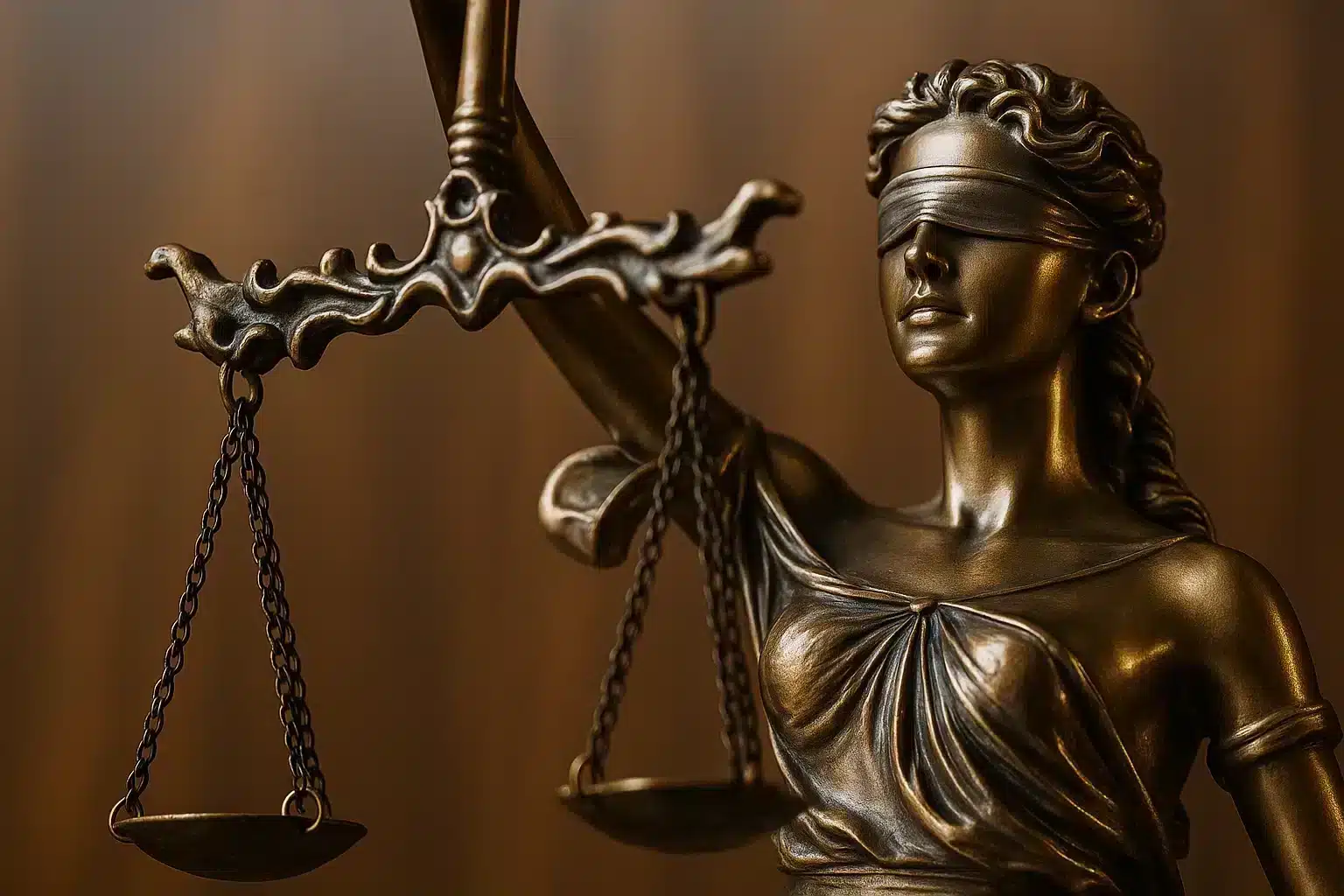
Defamation claims can severely affect personal and professional lives, warranting timely and skilled intervention to preserve reputation and seek justice.
Professional legal support guides clients through complex statutes and ensures their voice is heard effectively in and out of court.
Clients often seek help when false accusations impact their employment, business, or public image, or when defamatory content spreads on digital platforms.
Negative and untrue business or professional reviews that unfairly damage reputation warrant legal examination and potential action.
In-person false statements made to third parties that cause reputational harm also require careful legal attention to protect rights.
Harmful false statements posted on social media or public forums often lead to complex defamation issues needing expert handling.

Though based in Minneapolis, our team represents Columbus clients with dedication and individualized attention, understanding local concerns and legal frameworks.
Our commitment to personalized service ensures clients receive tailored strategies that fit their specific case needs and priorities.
With extensive experience in defamation and related personal injury law, we provide knowledgeable and effective legal guidance throughout every step.
Clients benefit from our thorough approach combined with a professional yet approachable manner, fostering confidence and communication.
We begin with a detailed case evaluation, followed by evidence collection and strategic planning. Clients are kept informed and supported through negotiations or courtroom proceedings as needed.
Your first step includes an in-depth discussion to understand the details and impact of the alleged defamation, establishing a foundation for your case.
Collecting all relevant documents, communications, and witness statements forms the critical basis of the case assessment.
Evaluating the claim’s strength against legal standards helps determine potential outcomes and best course of action.
Depending on the case, we may file formal claims and seek resolution through negotiations or mediation to avoid lengthy litigation when possible.
Drafting legal documents and presenting evidence to support your claim ensures a strong submission to involved parties or courts.
Engaging opposing parties in constructive discussions aims to achieve settlements beneficial to the client’s interests.
If settlements fail, preparing for court proceedings involves strategic advocacy and thorough presentation of facts and evidence.
Careful planning for hearings or trial includes witness preparation and legal argument formulation.
After judgment, we assist with enforcement of outcomes or explore further appeals where applicable.
Defamation under Minnesota law involves any false statement made about a person that harms their reputation. This includes both slander (spoken) and libel (written or published) forms of defamation. To qualify, the statement must be presented as a fact rather than opinion. Intent to harm is not always required, but negligence in verifying the truth may be considered. Legal actions focus on proving the falsity of the statement and resultant damages.
The statute of limitations for filing a defamation lawsuit in Minnesota is typically two years from the date the defamatory statement was made or published. It’s important to act quickly to preserve evidence and legal rights. Delayed action can jeopardize your case, so consulting an attorney promptly is advisable. Understanding local procedural timelines ensures timely filing and effective legal recourse.
Yes, statements made on social media can be subject to defamation claims if they meet legal criteria. Digital platforms amplify the reach and impact of false statements, making it crucial to address online defamation with proper legal strategies. However, complexities around jurisdiction and free speech issues may arise, so expert legal advice tailored to social media defamation is recommended to navigate these challenges effectively.
In defamation suits, plaintiffs may recover damages that compensate for harm to their reputation, emotional distress, and any financial losses suffered. Damages are generally categorized as actual (compensatory), presumed, and punitive. The extent and type of damages depend on the case specifics and must be proven through evidence. A well-prepared legal case outlines the scope of harm to secure appropriate compensation.
While financial loss is a common element in many defamation cases, Minnesota law allows recovery even without explicit monetary damages in some situations if the harm to reputation is clear. However, demonstrating financial impact can strengthen the case and may result in higher compensation. Attorneys help assess the evidence to establish the full scope of damage, whether economic or reputational.
Courts determine if a statement is false by examining evidence such as documents, witness testimonies, and context in which the statement was made. The burden lies with the claimant to prove falsity. Truth is a complete defense, so showing that the statement is accurate effectively ends the claim. Legal counsel guides clients in compiling strong evidence to meet this standard.
Yes, truth is an absolute defense against defamation claims. If the statement in question can be verified as true, there is no liability for defamation. This defense encourages honest communication and protects freedom of speech. However, even truthful statements made with malicious intent may raise other legal issues, so evaluation by legal professionals is essential.
If you believe you have been defamed, start by documenting the statements, noting when, where, and how they were made, and any witnesses. Preserve all evidence such as writings, recordings, or online posts. Seek prompt consultation with a qualified attorney who can evaluate your case, advise on legal options, and help safeguard your rights. Quick action improves chances of effective resolution.
The timeline for resolving defamation cases varies widely depending on complexity, evidence, and parties involved. Some cases settle quickly through negotiation or mediation, while others proceed to trial and can take months or longer. Early legal involvement can streamline the process and avoid unnecessary delays. Patience and clear communication with your attorney help manage expectations during this time.
Metro Law Offices Ltd. combines thorough legal knowledge with a personalized approach tailored to client needs, ensuring each defamation case receives individual attention and strategic planning. Our attorneys emphasize clear communication, client education, and commitment to achieving favorable results. This balance of professionalism and approachability makes us a trusted choice for defamation cases in Columbus and the surrounding areas.
Expert criminal defense and personal injury representation
"*" indicates required fields