Facing juvenile legal issues can be stressful and confusing for both youth and their families. Our firm is dedicated to providing thorough defense services tailored to the unique needs of minors in Cedar Grove and the surrounding areas. We understand the importance of protecting your child’s future and rights throughout the legal process.
Our approach focuses on compassionate representation and strategic advocacy to achieve the best possible outcomes. We guide clients through each step, ensuring clear communication and personalized attention. Whether dealing with delinquency charges or other juvenile matters, we stand ready to support your family.
Juvenile defense is critical to safeguarding a young person’s rights and future opportunities. Early intervention by skilled legal counsel can prevent long-term consequences such as criminal records or harsh penalties. Our services help navigate the complexities of juvenile law while prioritizing rehabilitation and positive development. Families benefit from knowing their child has dedicated representation focused on fair treatment.
Metro Law Offices has a strong commitment to serving the Cedar Grove community with skilled legal advocacy. Our attorneys possess extensive experience in juvenile defense cases, working closely with families to provide individualized strategies. We maintain a thorough understanding of Minnesota’s juvenile justice system and stay informed on legislative changes to offer effective representation. Clients trust us for our dedication and responsiveness.
Juvenile defense services involve representing minors accused of violations ranging from status offenses to serious criminal charges. The goal is to protect the minor’s legal rights, secure fair treatment, and explore alternatives to detention or prosecution when possible. Our attorneys work to assess the case facts, gather evidence, and build defenses tailored to each situation.
The juvenile justice system differs from adult courts, focusing more on rehabilitation and less on punishment. With knowledgeable counsel, families can better understand procedural options and potential outcomes. We prioritize clear explanations and proactive legal planning to help navigate this specialized area of law.
Juvenile defense includes legal representation for individuals under 18 who face allegations of delinquency or other legal concerns. This area of law focuses on protecting constitutional rights, ensuring due process, and advocating for the best interests of the youth. Defense efforts may involve negotiating with prosecutors, presenting evidence at hearings, and seeking diversion programs or reduced penalties.
Effective juvenile defense requires comprehensive case evaluation, including reviewing police reports, interviewing witnesses, and understanding the minor’s background. Attorneys must be familiar with court procedures, detention hearings, and potential sentencing options unique to juvenile cases. Building a strong defense often involves collaboration with social workers, counselors, and family members to support rehabilitation goals.
Understanding terminology is essential for navigating juvenile defense cases. Below are important terms to know.
Delinquency refers to illegal or problematic behavior committed by a minor that would be considered a crime if committed by an adult.
A diversion program offers alternatives to formal prosecution, such as counseling or community service, aimed at rehabilitation instead of punishment.
A detention hearing is a court proceeding to determine if a minor should be held in custody before trial or released to their guardians.
Adjudication is the juvenile court’s process of determining whether a minor is responsible for the alleged offense.
Families facing juvenile charges often weigh different legal strategies, including informal resolutions, diversion programs, or formal court proceedings. Each option carries unique benefits and risks depending on the case details. Choosing the right approach involves careful consultation to align with the minor’s best interests and long-term outcomes.
In cases involving minor infractions or first-time offenses, a limited defense strategy may focus on negotiating reduced charges or alternative dispositions to avoid formal adjudication.
When the evidence clearly indicates responsibility, focusing on rehabilitation and minimizing consequences through plea agreements or diversion programs can be sufficient.
Serious allegations or complex cases require a thorough defense approach to investigate all facts, challenge evidence, and pursue all legal options to protect the minor’s rights.
Comprehensive representation helps safeguard against long-term consequences such as criminal records or barriers to education and employment.
A comprehensive defense provides a complete evaluation of the case and strategic advocacy in court. This approach maximizes the chance for favorable outcomes, including reduced charges or alternative sentencing.
It also ensures that the minor’s rights are fully protected throughout the process and supports rehabilitation efforts to promote positive future development.
Comprehensive defense involves detailed review of all evidence, witness statements, and procedural compliance, uncovering any weaknesses that can be used to the client’s advantage.
Each case receives a tailored defense plan developed in collaboration with the family, considering the minor’s circumstances and future goals to achieve the best possible resolution.
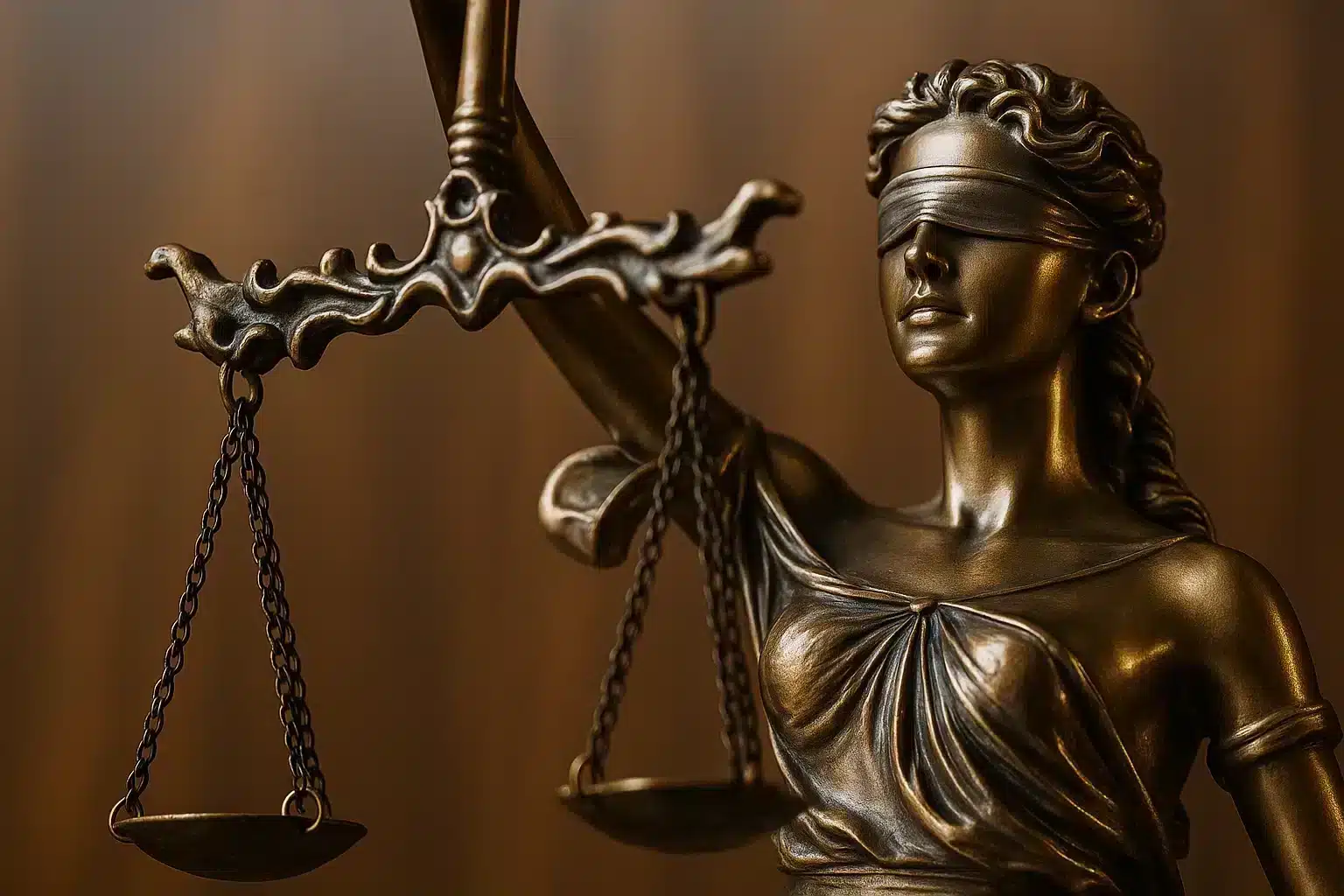
Honest and detailed communication helps your attorney understand the case fully and develop the most effective defense strategy tailored to your needs.
Engaging in counseling, community service, or educational programs can positively influence case outcomes and support the minor’s future success.
When a minor faces legal allegations, timely and knowledgeable defense is crucial to protect their rights and future. Early legal intervention can help avoid unnecessary detention and serious penalties.
Professional defense support also provides families with guidance, peace of mind, and advocacy tailored to the unique challenges of juvenile law.
Minors may need defense in cases involving delinquency charges, truancy, substance use, theft, or other criminal allegations. Our firm assists in all these scenarios with focused legal support.
When a minor is accused of acts that violate the law, juvenile defense ensures their rights are upheld in court proceedings.
Issues such as curfew violations or truancy can lead to legal intervention requiring defense services to address the charges effectively.
If a minor violates terms of probation, legal representation is important to navigate hearings and negotiate possible outcomes.

We are here to help you and your family through juvenile legal challenges with dedicated and compassionate representation you can count on.
Our firm offers personalized attention and comprehensive legal support tailored to the needs of minors and their families in Cedar Grove. We prioritize clear communication and strategic advocacy.
With extensive knowledge of the juvenile justice system, we work diligently to protect your child’s rights and future prospects. We understand the sensitive nature of these cases and handle them with discretion and care.
Our goal is to achieve favorable results through negotiation, defense, and when appropriate, alternative programs that support rehabilitation and growth.
We begin with a thorough case review and client consultation to understand all aspects of the matter. Our attorneys develop a tailored strategy, represent you in court, and maintain open communication throughout the process to keep you informed and involved.
During the initial meeting, we gather details about the case, review any documents or charges, and discuss potential defense options with the family.
We collect all relevant evidence, police reports, and statements to understand the full scope of the allegations and circumstances.
We explain the juvenile justice process and answer questions to ensure families know what to expect and how to proceed.
Our team analyzes all information to build a strong defense approach tailored to the case facts and client goals.
We thoroughly investigate charges, identify witnesses, and consult experts when necessary to support the defense.
When appropriate, we engage in discussions to reduce charges or seek diversion programs that benefit the minor.
We represent minors and their families at hearings, advocating for fair treatment and the best possible outcome.
Our attorneys challenge evidence, advocate for alternatives to detention, and ensure the minor’s rights are protected throughout the proceedings.
We work to achieve resolutions such as dismissal, reduced charges, or participation in rehabilitation programs that support positive development.
A juvenile defense lawyer represents minors accused of legal offenses, protecting their rights and interests throughout the juvenile justice process. They work to ensure fair treatment and advocate for the best possible outcomes. The lawyer guides families through court procedures, negotiates with prosecutors, and explores alternatives like diversion programs to support rehabilitation and avoid harsh penalties.
Juvenile court focuses on rehabilitation and the best interests of the minor, rather than punishment. Proceedings are generally less formal and aim to provide supportive services. The system prioritizes protecting the minor’s future and offers alternatives to incarceration, with an emphasis on education, counseling, and community integration.
In many cases, juvenile records are sealed or expunged to protect a minor’s future opportunities. However, certain serious offenses may result in public records. Effective legal representation can help minimize the risk of a lasting criminal record through appropriate defense strategies and seeking diversion or dismissal when possible.
A detention hearing determines whether a minor should remain in custody or be released while awaiting further court proceedings. The judge considers factors like flight risk and community safety. The defense attorney presents arguments supporting release and ensures the minor’s rights are protected during this critical stage.
Yes, diversion programs provide alternatives to formal prosecution, focusing on counseling, education, or community service. They aim to address underlying issues and prevent future offenses. Participation often results in reduced charges or case dismissal upon successful completion, supporting rehabilitation and positive outcomes.
Families should gather all relevant documents, maintain open communication with their attorney, and encourage the minor to participate fully in the defense process. Understanding the legal procedures and expectations helps reduce stress and facilitates more effective collaboration with legal counsel.
Outcomes vary and can include dismissal, probation, placement in diversion programs, or in serious cases, detention. The goal is to balance accountability with rehabilitation. Legal representation helps navigate these options and advocate for resolutions that promote the minor’s welfare and future success.
Juvenile proceedings are generally confidential to protect the minor’s privacy, with records often sealed from public access. This confidentiality helps prevent negative impacts on the minor’s reputation and opportunities, though exceptions exist for serious offenses.
It is best to contact a juvenile defense lawyer immediately after charges or allegations arise to ensure timely advocacy and protect rights. Early involvement allows for strategic planning, evidence gathering, and potential negotiation before formal court actions proceed.
Having no prior offenses often improves the chances for diversion or reduced penalties. The defense can emphasize the minor’s background and potential for rehabilitation. Legal counsel will advocate for options that avoid harsh consequences and support the minor’s continued growth and development.
Expert criminal defense and personal injury representation
"*" indicates required fields