Grand Jury Proceedings in Cedar Grove often involve complex legal issues surrounding criminal charges and investigations. While Cedar Grove is a small city with a rich community history, residents may encounter these proceedings when involved in serious allegations. Understanding the process is essential, especially as it relates to Personal Injury, Crime Offenses, and Work Injury cases often served by dedicated law firms.
Though based in Minneapolis, our firm proudly extends legal service to Cedar Grove clients, providing personalized, attentive support. Individuals facing grand jury inquiries benefit from our extensive experience and commitment to client satisfaction. Contact us at 763-314-3800 to book a consultation and explore how we can guide you through these challenging proceedings.
Navigating grand jury proceedings requires skilled advocacy and thorough preparation. Having knowledgeable legal representation protects your rights, helps interpret complex legal standards, and ensures your case is presented effectively. These benefits can be critical to obtaining favorable outcomes and reducing legal risks throughout the process.
Our team combines extensive experience in criminal defense and personal injury law with a personalized approach tailored to your unique situation. Though not physically located in Cedar Grove, we understand the specific legal landscape and community concerns of the area. Clients trust us for thorough case analysis, strategic counsel, and a dedicated commitment to achieving their legal goals.
Grand jury proceedings evaluate evidence to determine whether criminal charges should be formally filed. These sessions are confidential and involve testimony and examination of witnesses and evidence. Understanding this process is vital for those potentially implicated or involved in related investigations.
Having legal counsel during grand jury proceedings helps ensure your rights are respected, guides you through testimony obligations, and helps formulate strategies to protect your interests. Our legal team provides clear explanations and support throughout these proceedings.
Grand jury proceedings are legal hearings conducted in secret where a group of citizens reviews evidence presented by prosecutors to decide if criminal charges are warranted. Unlike a trial, these proceedings determine whether sufficient probable cause exists, rather than guilt or innocence. Participation and testimony in these hearings can have serious implications, necessitating knowledgeable legal guidance.
Key elements include presentation of evidence by the prosecution, witness testimonies under oath, and juror deliberations on probable cause. These proceedings provide an important check in the criminal justice system but require careful preparation and understanding for those involved.
Understanding legal terminology related to grand jury proceedings helps demystify the process and empowers clients to participate more effectively.
A reasonable basis for believing that a crime may have been committed, which is necessary for grand jury indictment.
A formal charge issued by a grand jury indicating there is enough evidence to proceed to trial.
A legal order requiring a person to attend the grand jury or produce evidence relevant to the proceedings.
Statements or answers provided by individuals under oath during grand jury proceedings.
Different legal strategies may be employed depending on case specifics, including limited counsel focused on testimony preparation or comprehensive defense addressing all potential legal challenges. Selecting the optimal approach involves assessing the risks, evidence, and desired outcomes with experienced guidance.
When the individual is only a witness and not a suspect, limited legal advice on how to navigate testimony may suffice.
If evidence clearly supports the individual’s innocence and no charges are expected, a limited approach can be appropriate.
If an individual is a target of the investigation with a risk of indictment, full legal representation is critical.
Cases involving complicated evidence or overlapping charges demand extensive legal strategy to protect rights.
A comprehensive legal approach ensures all aspects of the case are addressed thoroughly, reducing unexpected risks.
This approach supports proactive defense planning, effective negotiation strategies, and maximizes opportunities for favorable outcomes.
Depth of analysis allows identification of all legal issues, increasing chances to challenge improper evidence or procedures.
Coordinated defense tactics can influence grand jury decisions and help mitigate charges or penalties later in the process.
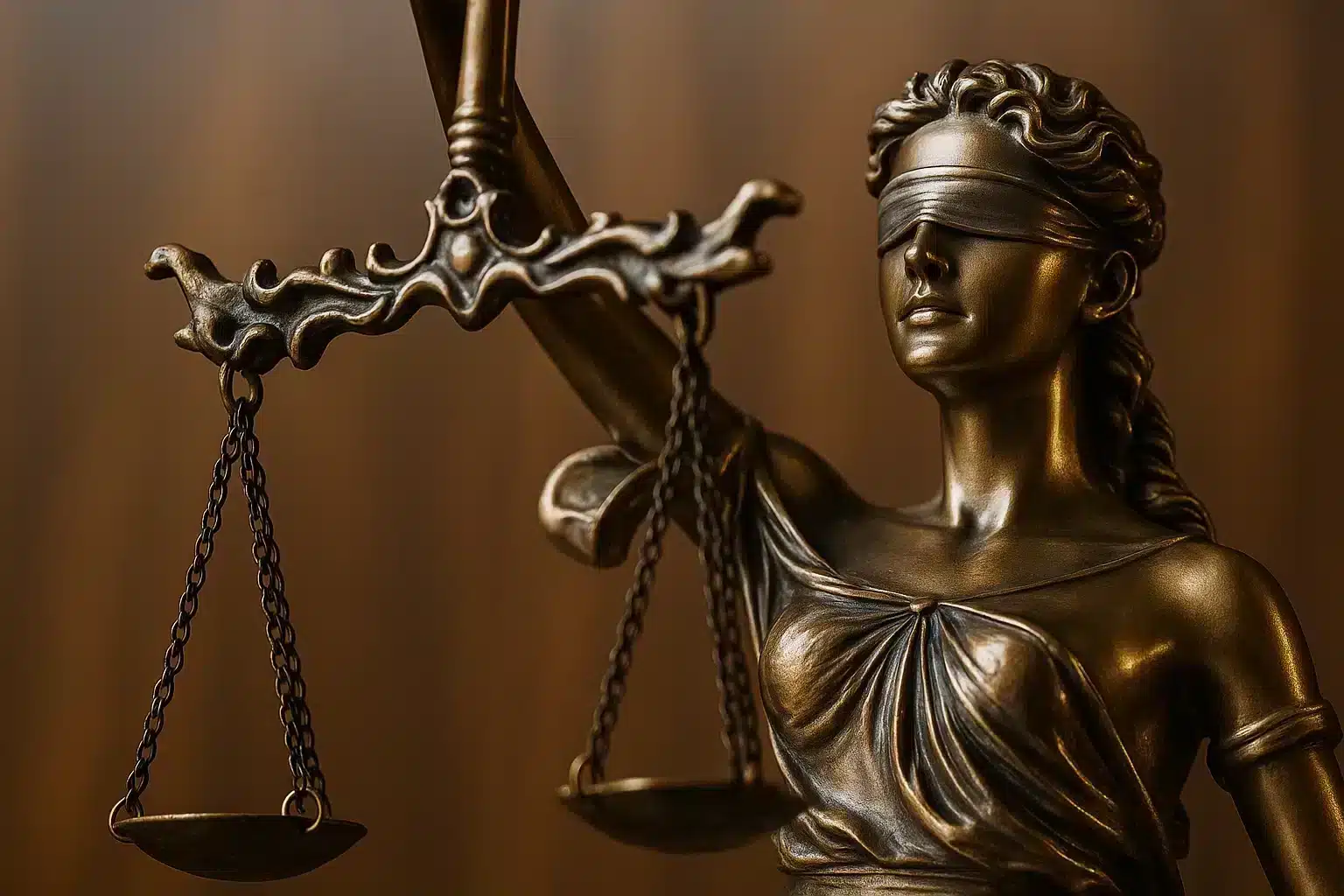
If you receive a grand jury subpoena, face investigation related to criminal allegations, or anticipate involvement due to an accident or injury case, obtaining legal guidance is important.
Legal support protects your rights during sensitive proceedings, helps interpret the legal implications, and provides a clear framework for navigating complex judicial processes.
Grand jury involvement often arises in cases of serious criminal charges, workplace injuries with alleged negligence, or personal injury claims that intersect with possible criminal conduct.
Being subpoenaed as a witness or suspect in felony-level criminal investigations necessitates competent legal support.
Injury claims involving potential work violations or accidents under investigation may lead to grand jury hearings.
Cases where personal injury issues connect to criminal offenses, such as assault or negligence, can trigger grand jury proceedings.
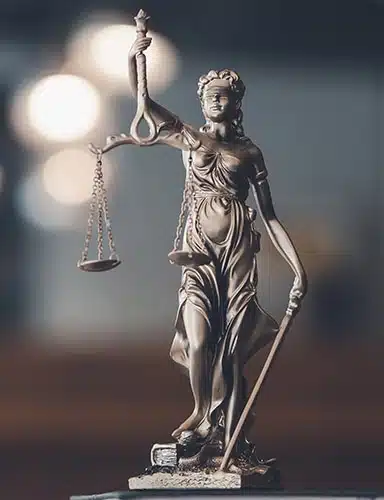
We are dedicated to assisting Cedar Grove residents through every step of grand jury proceedings with focused attention and knowledgeable legal support.
Our commitment to client satisfaction means personalized service tailored to your unique legal challenges. We prioritize clear communication and thorough preparation to best serve your needs.
Despite not being locally based in Cedar Grove, our extensive Minnesota legal experience equips us to handle cases from this community effectively and conscientiously.
By choosing our firm, clients gain access to comprehensive legal support that manages complex grand jury processes with care and strategic insight.
Our approach begins with a thorough case evaluation to assess risks and develop a defense plan. We maintain constant communication and provide detailed guidance throughout every stage of the grand jury proceedings, ensuring you are well-informed and prepared.
We start by discussing your situation, reviewing any evidence or subpoenas, and explaining the grand jury process tailored to your case details.
Gathering complete information about events, prior involvement, and concerns to build an accurate case profile.
Clarifying legal rights, potential risks, and procedural expectations within the grand jury setting.
Providing detailed coaching on how to respond to questions, maintaining composure, and understanding what to expect during testimony.
Simulating grand jury questioning to build confidence and identify areas needing clarification.
Analyzing evidence and preparing statements consistent with case strategy.
Providing legal support throughout the grand jury session, monitoring proceedings, and intervening as necessary to protect your rights.
Offering immediate counsel and advice during questioning and interface with prosecutors.
Reviewing outcomes, advising on next steps, and planning further defense or legal actions.
A grand jury’s purpose is to examine evidence presented by prosecutors to determine whether there is enough probable cause to file criminal charges. It acts as a preliminary step in the criminal justice process, ensuring cases have merit before proceeding to trial. These proceedings are confidential and conducted in secret.
Yes, you have the right to have an attorney present during your grand jury testimony. While your lawyer may not be allowed to speak during the proceedings, they provide essential advice beforehand and can guide you on how to navigate questioning. Having legal counsel present helps protect your rights and ensures you are prepared for the process.
If the grand jury issues an indictment, formal criminal charges are filed against you, and your case proceeds to trial unless resolved earlier. An indictment signals that the grand jury found sufficient evidence to warrant prosecution. Afterward, it’s crucial to work closely with a defense attorney to plan appropriate next steps.
Grand jury proceedings are conducted in private to protect the integrity of investigations and the privacy of individuals involved. Unlike trials, which are public, these hearings limit information dissemination and restrict attendance to jurors, prosecutors, witnesses, and their legal counsel. Privacy safeguards are fundamental to this process.
When receiving a grand jury subpoena, it’s important to contact an attorney immediately to understand your obligations and rights. Preparation includes reviewing relevant documents, understanding the scope of questioning, and planning responses. Early preparation reduces stress and improves your ability to provide clear, accurate testimony.
While you have the right to remain silent, refusing to testify before a grand jury without a valid legal basis can lead to contempt charges. Consulting with an attorney before your appearance can help determine whether invoking your rights or providing testimony is in your best interest. Legal guidance is essential in making this decision.
The duration of grand jury proceedings varies widely depending on case complexity and volume of evidence. Some proceedings may last a few hours, while others extend over days or weeks. Your attorney will keep you informed about expected timelines and any developments throughout the process.
Grand juries commonly review cases involving serious crimes such as felonies, including criminal offenses, white-collar crimes, and other matters where substantial evidence must be assessed. Personal injury or work injury cases intersecting with criminal conduct may also involve grand jury review when appropriate.
If charged following a grand jury indictment, securing experienced legal representation is vital. Your attorney can challenge the evidence, negotiate plea agreements, or prepare your defense for trial. Prompt action following an indictment increases the chances of favorable legal resolutions.
An attorney offers critical assistance during grand jury proceedings by advising clients on their rights, preparing them for testimony, and safeguarding against self-incrimination. Legal representation ensures that your interests are defended throughout this complex and consequential phase of the legal process.
Expert criminal defense and personal injury representation
"*" indicates required fields