Grand jury proceedings play an essential role in the legal landscape of Baxter, Minnesota, involving the review and indictment processes in serious criminal cases. For residents of Baxter, understanding these proceedings is crucial when facing legal challenges related to personal injury, crime offenses, or workplace injuries. Although our firm is based in Minneapolis, we provide dedicated legal services to clients in Baxter, offering personalized guidance through every step of grand jury proceedings.
Baxter’s rich history and tight-knit community create a unique atmosphere where legal matters require both sensitivity and expertise. We are committed to delivering client-centered service, leveraging extensive experience to ensure the best possible outcomes. Contact us today at 763-314-3800 for a consultation and learn how our team can support you with thorough, understandable legal advice tailored to your situation.
Grand jury proceedings serve as a crucial preliminary process in serious criminal cases, protecting individuals by ensuring there is sufficient evidence before charges are pursued. This stage allows for thorough examination of the facts in a confidential setting, giving the accused an important layer of legal protection. Engaging a knowledgeable attorney during this process can significantly influence outcomes and safeguard your rights.
Clients in Baxter trust our legal team because of our commitment to personalized service and deep understanding of Minnesota’s legal system. Though not physically located in Baxter, our attorneys bring years of experience handling grand jury proceedings and related cases. We prioritize clear communication and tailored strategies to effectively represent your interests. Reach out at 763-314-3800 to schedule a consultation and receive dedicated advocacy throughout the legal process.
Grand jury proceedings are an investigative step used by prosecutors to determine whether sufficient probable cause exists to charge an individual with a crime. This confidential process involves presentation of evidence before a group of citizens who ultimately decide whether to issue an indictment. Understanding your rights and the procedures involved is vital for anyone facing these proceedings.
Attending grand jury proceedings can be complex and intimidating; having legal representation ensures you are properly advised and protected. Experienced counsel can help clarify what to expect, respond to inquiries, and advocate on your behalf. This preparation is key to navigating this early, impactful stage of criminal cases effectively.
A grand jury is a panel of citizens convened to evaluate evidence presented by prosecutors to establish probable cause for criminal charges. Unlike a trial jury, the grand jury does not determine guilt or innocence but decides whether the case should advance to trial. This process is a safeguard to protect individuals from unfounded accusations.
Grand jury proceedings typically involve the presentation of witness testimony, documents, and other evidence in a closed setting. The accused may have limited rights to participate or present their case, emphasizing the importance of skilled legal counsel. The process culminates in a vote to indict or dismiss charges based on the evidence reviewed.
Familiarity with common legal terms related to grand jury proceedings can help clients better understand the process and their rights.
A group of citizens tasked with reviewing evidence to decide whether to bring criminal charges against a suspect.
A formal charge issued by a grand jury indicating there is enough evidence to proceed to trial.
A reasonable basis for believing that a crime may have been committed, justifying charges or searches.
Statements given under oath by witnesses, presented as evidence during the grand jury proceedings.
When facing grand jury proceedings, you may choose limited legal representation focused solely on the hearing or comprehensive support that includes preparation for potential trial and related matters. The right approach depends on your specific circumstances and desired outcome.
If the grand jury hearing involves straightforward questions with little complexity, a targeted legal presence may adequately protect your interests during testimony and evidence review.
Cases where evidence strongly favors dismissal might not require extensive ongoing representation beyond the grand jury stage.
Cases involving serious charges or complicated facts benefit from thorough legal strategy extending well beyond the grand jury to protect your rights throughout all criminal proceedings.
When grand jury proceedings could lead to trial or plea discussions, having continuous legal counsel offers a strategic advantage.
Engaging a full-service legal team throughout grand jury and subsequent proceedings ensures consistent advocacy and tailored defense strategies.
This holistic approach minimizes surprises and builds a stronger case, increasing the likelihood of favorable results.
Clients receive ongoing advice, helping them understand each phase and make informed decisions.
Coordinated efforts across all stages of the case improve defense quality and may reduce penalties or charges.
Learn about your rights during grand jury proceedings early on so you can make informed decisions and avoid unknowingly waiving protections.
Keep detailed records of all communications and legal documents to ensure accuracy and effective legal advocacy.
Facing a grand jury can be daunting, and having professional legal support helps protect your rights and interests throughout the process. An attorney provides clarity on complex procedures and strategic advice tailored to your case.
Engaging counsel early can prevent missteps that negatively affect your defense. Dedicated legal guidance offers peace of mind and enhances your ability to navigate legal challenges effectively.
Individuals involved in investigations for serious crimes, workplace incidents with legal implications, or those facing complex personal injury claims often require experienced legal support during grand jury proceedings.
When facing allegations of violent crimes, white-collar offenses, or serious drug charges, professional legal representation is critical.
Legal complications from workplace accidents may prompt grand jury involvement and necessitate skilled defense.
Injuries resulting in legal claims may lead to grand jury investigations requiring comprehensive legal counsel.
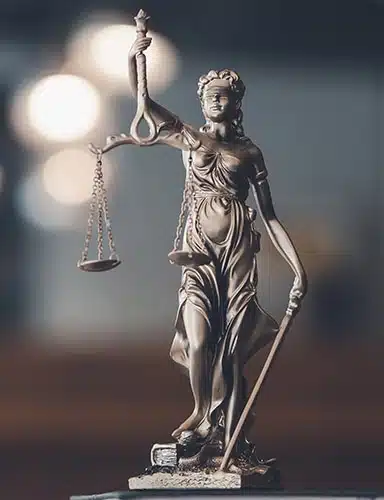
Although located in Minneapolis, we proudly extend our legal services to Baxter residents, delivering dedicated representation in grand jury proceedings and related legal matters.
Our firm combines personalized attention with deep knowledge of criminal defense laws to effectively represent clients in Baxter facing grand jury proceedings.
We prioritize client satisfaction, ensuring clear communication and strategic advocacy throughout each case phase.
By choosing us, clients gain a committed partner experienced in navigating Minnesota’s legal system to protect their rights and interests.
From initial consultation to grand jury representation and beyond, our firm provides comprehensive legal services tailored to each client’s needs, ensuring clear guidance and robust defense strategies.
We begin by understanding your situation and gathering all relevant information to develop an effective defense plan.
Discuss the details of the case thoroughly to identify key issues and potential defenses.
Analyze available evidence to assess the strength of the prosecution’s case and prepare accordingly.
Provide strategic counsel and attend proceedings to protect your rights and present a strong defense.
Advise on what to expect and prepare for testimony or evidence review.
Offer real-time legal advice and representation during the grand jury process.
Plan next steps based on grand jury outcomes, including trial preparation or negotiating resolutions.
Evaluate grand jury findings and discuss legal options in detail.
Continue legal support through subsequent phases of the case for best possible results.
A grand jury’s purpose is to determine whether the prosecution has enough evidence to charge someone with a crime. This confidential process helps protect individuals from unwarranted accusations by requiring probable cause before formal charges are filed. It differs from a trial where guilt is determined.
You have the right to legal counsel before and after the grand jury proceedings, though typically attorneys cannot be present inside the grand jury room during testimony. A lawyer can prepare you for the process, advise on how to respond to questions, and protect your interests throughout.
If you receive a subpoena to appear before a grand jury, it is critical to contact a qualified attorney immediately. You should not ignore the subpoena, and your lawyer can guide you through the process, advise you on your rights, and prepare you for testimony if required.
The length of a grand jury proceeding varies depending on the complexity of the case and the evidence presented. Some proceedings may last only a few hours, while others can extend over several days or weeks. Your attorney can provide more specific timelines based on the details of your case.
Yes, an indictment can be contested through legal motions such as motions to dismiss or through the appeals process. Having an experienced attorney evaluate the grand jury proceedings and evidence can identify grounds to challenge or lessen the charges against you.
After an indictment, the case proceeds to formal charges and trial preparation. Legal counsel will assist in building a defense strategy, negotiating plea agreements if appropriate, or preparing for court proceedings. The attorney-client relationship becomes crucial at this stage.
No, grand jury proceedings are conducted in secret to protect the privacy of individuals and the integrity of investigations. This confidentiality helps encourage witnesses to speak freely and preserves case information until formal charges are made.
Generally, if you are subpoenaed, you must testify before a grand jury. However, there are some legal protections such as the Fifth Amendment right against self-incrimination. It is important to consult a lawyer to understand when you may lawfully decline to answer questions.
A grand jury is a group of citizens who review evidence in secret to decide on indictments, while a preliminary hearing is a public court proceeding where a judge determines if there is enough evidence to proceed. Both serve as checks before a criminal trial but differ in process and participants.
Hiring a lawyer ensures your rights are protected and you receive expert advice on how to handle questioning and evidence. Legal representation can influence the outcome significantly by guiding you through the complexities of the process and preparing your defense effectively.
Expert criminal defense and personal injury representation
"*" indicates required fields