
Minnesota Motorcycle Crash Claims: How to Move Your Case Faster
Learn the key steps to build a strong Minnesota motorcycle crash claim quickly—what to do after a crash, how no-fault and liability coverage interact, evidence to gather, dealing with insurers, and when to file a lawsuit. Includes Minnesota-specific insurance rules and practical tips to keep your case moving.
First Steps After a Minnesota Motorcycle Crash
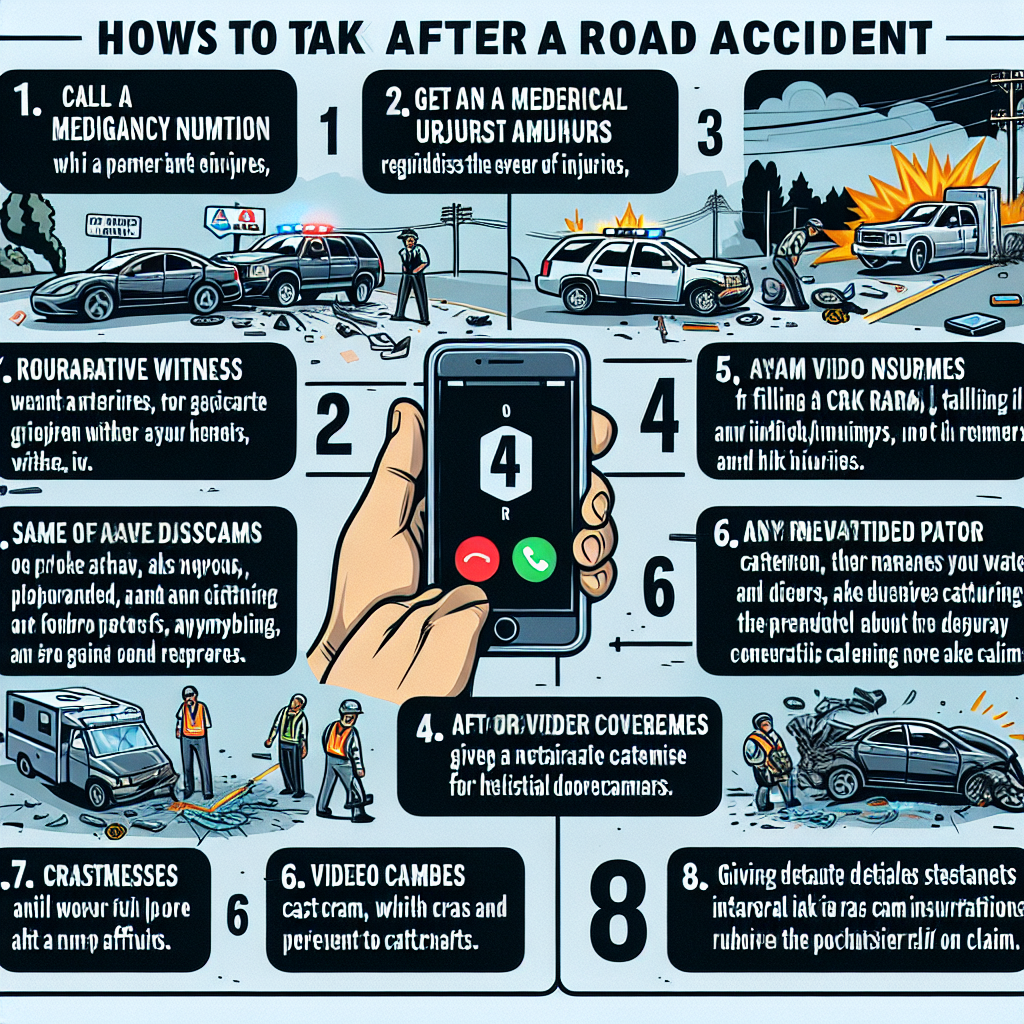
Your actions in the first days can shape your claim timeline. Prioritize medical care and follow your doctor’s orders. Report the crash to law enforcement when required and to your insurer promptly. Preserve your gear and the motorcycle in their post-crash condition. If you can, collect witness names and contact information and note nearby cameras. Quick documentation helps prevent disputes and speeds up claim evaluation.
How Minnesota Insurance Works for Motorcyclists
Minnesota is a no-fault state for many vehicles, but motorcycle policies are treated differently. Under Minnesota’s No-Fault Act, the definition of “motor vehicle” excludes motorcycles, so standard auto personal injury protection (PIP) does not automatically apply to motorcycles (Minn. Stat. § 65B.43). Mandatory PIP security applies to “motor vehicles” as defined by the Act, which again excludes motorcycles (Minn. Stat. § 65B.48).
Motorcyclists typically rely on medical coverage purchased on the motorcycle policy, plus the at-fault driver’s bodily injury liability coverage. You may also have uninsured/underinsured motorist (UM/UIM) coverage on your motorcycle policy. Minnesota’s thresholds for noneconomic damages may apply to claims “arising out of the maintenance or use of a motor vehicle,” which is often relevant when a car is involved (Minn. Stat. § 65B.51). Coverage terms vary by policy, so review your declarations pages and have counsel identify every available source of recovery.
Proving Fault and Maximizing Recovery
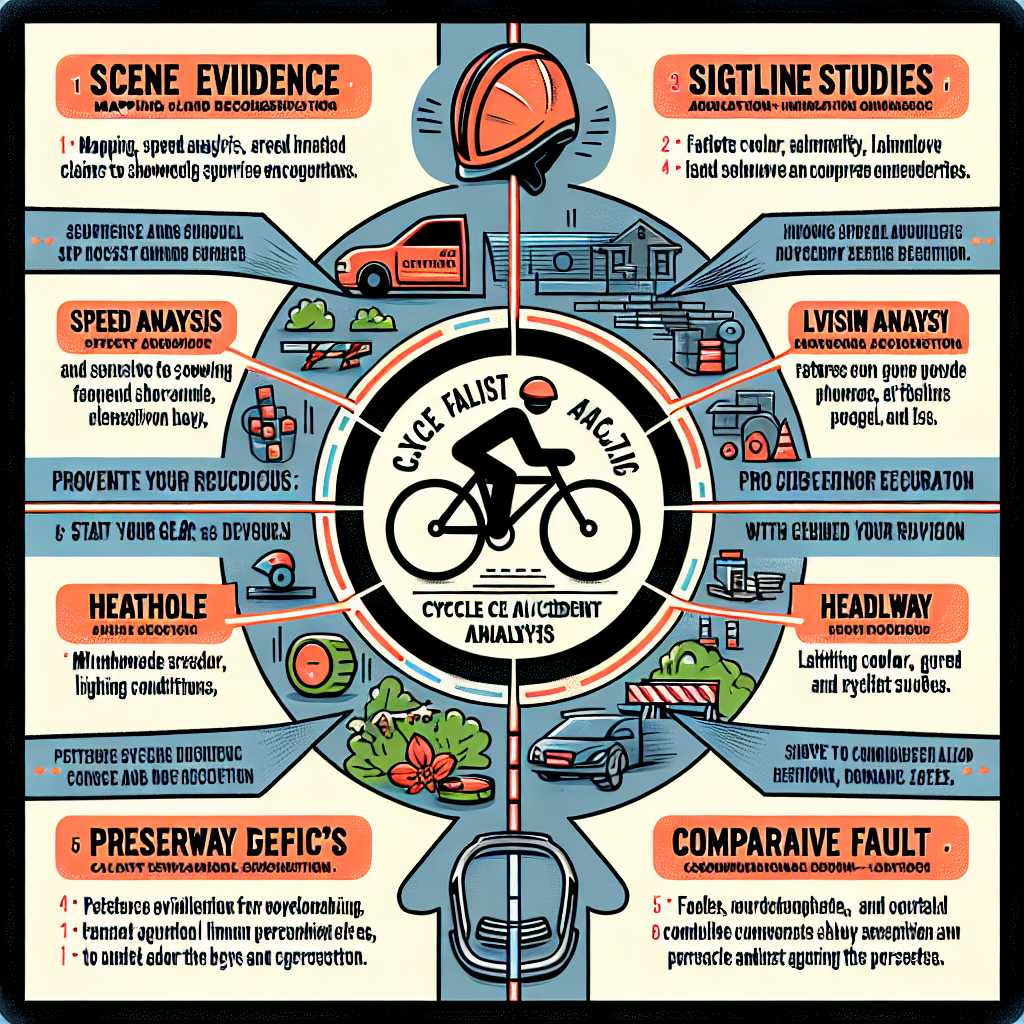
To resolve your claim efficiently, build a clear, well-documented liability case. Focus on: (1) duty and breach—traffic laws, right-of-way, speed, impairment, and distracted driving; (2) causation—link the breach to your injuries using medical proof; (3) damages—show medical bills, wage loss, and pain and suffering with records and corroborating testimony.
Minnesota follows modified comparative fault: your compensation is reduced by your share of fault and is barred if your fault is greater than the fault of the party (or parties) you’re suing (Minn. Stat. § 604.01). Strong, consistent evidence limits disputes and accelerates resolution.
Evidence That Moves Cases Quickly
- Crash reports
- Photographs and video from the scene
- Eyewitness statements
- Event data recorder information if available
- Your helmet, jacket, and boots
- Repair and total-loss appraisals
- Medical
records and billing
- Employment and wage documentation
- A recovery journal describing symptoms and activity limits
Send preservation letters to at-fault drivers, businesses, and nearby property owners requesting they keep video and relevant vehicle data.
Time-Saving Tips
- Create one folder (digital or paper) for all medical bills and receipts.
- Use a simple weekly journal to track symptoms and activity limits.
- Photograph injuries and your motorcycle’s condition at regular intervals.
- Forward insurer letters to your attorney the same day you receive them.
Medical Proof: From ER Visit to Final Report
Insurers move faster when medical documentation is complete. Seek immediate care, follow specialist referrals, and keep all appointments. Explain all symptoms, including concussion signs, road rash care, and any aggravation of prior conditions. Ask providers for clear work restrictions and a final narrative report connecting your injuries to the crash. Avoid gaps in treatment unless medically advised; unexplained gaps invite delays.
Working With Insurance Companies
Report the claim promptly but consider speaking with counsel before giving any recorded statement. Provide essential facts and point insurers to objective evidence. Avoid signing broad medical authorizations; instead, supply targeted records. Be cautious with quick settlement offers before you know the full extent of your injuries. Coordinating benefits among medical payments, UM/UIM, and liability carriers can speed payment if handled strategically.
When Settlement Talks Stall
If liability is disputed or damages are undervalued, your attorney may file a lawsuit to preserve rights and apply pressure. Early motions, structured discovery, and focused expert work can narrow issues and encourage timely settlement. Many motorcycle cases resolve before trial once key depositions and expert reports are exchanged.
Deadlines and Filing Windows in Minnesota
Legal deadlines can vary based on the type of claim, the parties involved, insurance contracts, and other factors. Government-related claims may require early notices. Because timing rules are strict and exceptions are limited, consult an attorney as soon as possible to identify and meet all applicable deadlines.
How to Keep Your Case Moving
- Communicate promptly with your attorney and respond to record requests.
- Keep an organized file for medical bills, receipts, wage documents, and photos.
- Follow your treatment plan and obtain written work restrictions.
- Avoid social media posts about the crash or your injuries.
- Bring your declarations pages and any policy endorsements to your first attorney meeting.
What Your Recovery May Include
Depending on coverage and proof, compensation may include medical expenses, wage loss, future care costs, motorcycle repair or total loss, replacement services, and pain and suffering. UM/UIM can provide additional protection if the at-fault driver lacks sufficient insurance. Comparative fault, policy limits, and proof quality directly affect your outcome and timeline.
FAQ
Does Minnesota no-fault (PIP) coverage apply to motorcycles?
Not by default. Motorcycles are excluded from the No-Fault Act’s definition of motor vehicle, so riders usually need motorcycle-specific medical coverage.
What if I am partially at fault?
Under Minnesota’s modified comparative fault, your damages are reduced by your percentage of fault and barred if your fault exceeds the defendants’.
Should I give a recorded statement to the other insurer?
Not before talking to an attorney. Provide basic claim information but avoid recorded statements until you receive legal advice.
How soon should I contact a lawyer?
As early as possible to protect evidence, identify coverages, and meet deadlines that could arrive sooner than you expect.
How long will my claim take?
Timelines vary with liability disputes, medical recovery, and insurance limits. Thorough documentation and prompt communication typically shorten the process.
Free Consultation: Start Your Claim the Right Way
A focused, evidence-driven approach helps Minnesota motorcyclists resolve claims efficiently. Our team investigates quickly, secures key evidence, and negotiates with insurers. Contact us for a free consultation to protect your rights and position your case for a faster resolution.
Disclaimer: This blog is for general information only and is not legal advice. Reading it does not create an attorney-client relationship. Legal requirements and deadlines vary by case; consult a Minnesota attorney about your specific situation.


